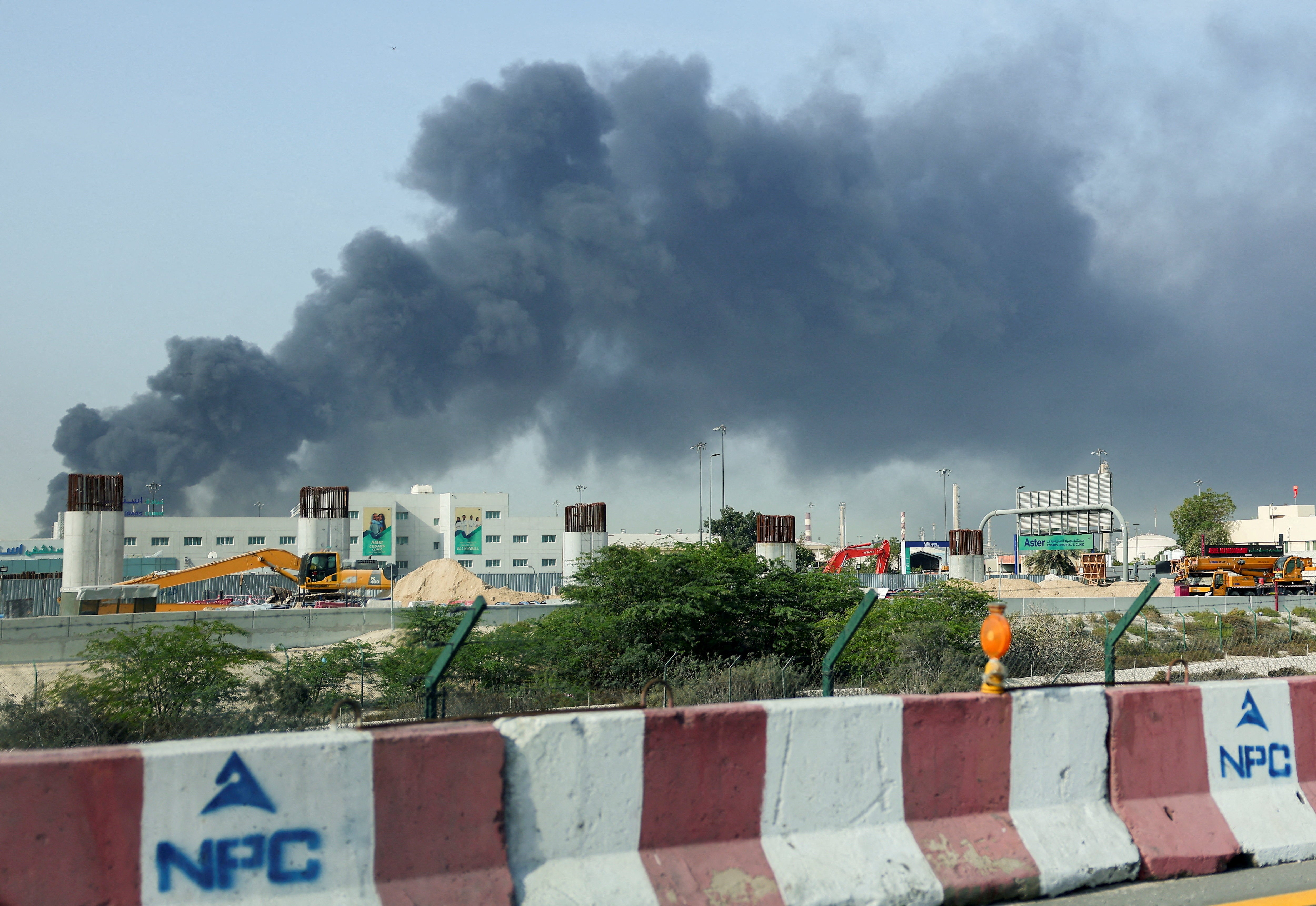
With escalating tensions between the US and Iran impacting the Strait of Hormuz, Gulf nations are proactively seeking alternatives to maintain economic stability. Recent attacks, including a missile incident that affected Jebel Ali port, have underlined the urgent need for these countries to diversify their logistics and trade routes.
Edit and port operator DP World is engaged in discussions to enhance facilities in Fujairah, aiming to alleviate pressure on the longstanding Jebel Ali port. Built in 1977, Jebel Ali has served as a vital trade hub for the UAE. The situation worsened with recent Iranian missile strikes, leading to direct attacks on critical infrastructure, including Dubai International Airport.
The impact on the UAE is particularly stark, with reports indicating that approximately 3,000 drones and missiles have hit the nation since the conflict with Iran escalated on February 28. The scale of disruption is immense as 20% of the world's oil flows through this strategic waterway, which has seen operations falter in recent months.
Amidst these mounting pressures, Gulf states are strategizing to bolster their economies. A report from SolAbility, a Swiss-Korean analytics firm, estimates that a prolonged conflict could lead to a global GDP loss of around $3.05 trillion, a staggering forecast underscoring the far-reaching economic consequences of instability in the region.
Oman's Diplomatic Role and Infrastructure Developments
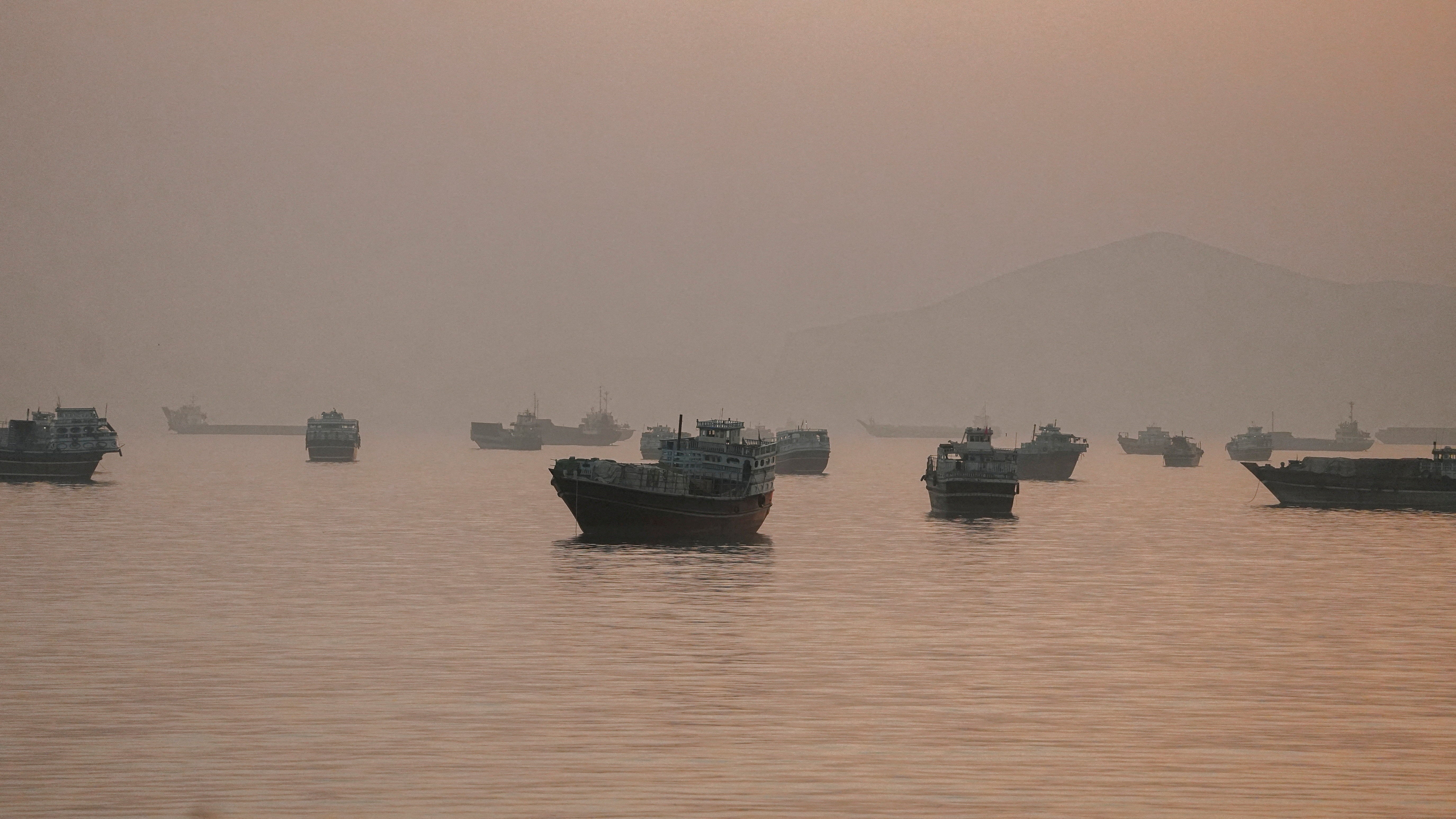
Oman is adopting a unique position amidst the conflict, leveraging its neutral relations with both Iran and the US. Unlike its Gulf neighbors that host US military bases, Oman has managed to avoid becoming a direct target. But the threat of Iranian strikes on Oman's ports still looms, hindering commercial alternatives through the Strait.
To fortify its logistics capabilities, Oman’s Asyad Group has partnered with French firm CMA CGM to create a $400 million multipurpose logistics terminal in Sohar. This terminal is poised to serve as an alternative route during the ongoing conflict, enhancing trade connections between Gulf regions while circumventing the strait.
UAE Dynamics: Leaving OPEC and Port Expansions
On April 28, 2026, the UAE officially terminated its 59-year membership in OPEC, a decisive move influenced by the Iranian war and frustration over production limitations. This shift is being viewed as a significant adjustment in global energy dynamics, especially as the UAE seeks to navigate the pressures of an energy transition.
To support higher output and alleviate dependence on Jebel Ali, the UAE is advancing plans for new terminal facilities, including a multipurpose port in Fujairah. However, officials indicate that Jebel Ali will remain a key asset. Plans are in place to accelerate the development of a West-East pipeline, intending to double export capacity by 2027, offering a strategic route that bypasses the strait.
Crown Prince Sheikh Khaled bin Mohamed bin Zayed emphasized that this expansion is in response to increasing global oil demand
Saudi Arabia's Pipeline Expansion Considerations
Saudi Arabia is exploring an expansion of its East-West oil pipeline, aiming to enhance the capacity for transporting crude without reliance on the Strait of Hormuz. Given the rising market needs amidst ongoing conflict, this expansion could significantly impact the region's oil transportation landscape.
Negotiations also involve Kuwait, Bahrain, and Qatar, countries that find themselves more vulnerable, having limited alternatives aside from the strait. The situation highlights the vulnerability of these nations, with a large percentage of their oil supplies dependent on this narrow passage.
Kuwait Petroleum Corporation’s CEO has announced that discussions regarding collaboration with Saudi Arabia and UAE counterparts are underway to enhance their shared pipeline systems, aiming to facilitate the transport of Kuwaiti crude oil more efficiently.
As Gulf states adapt to the new realities posed by the conflict and uncertainty in the Strait of Hormuz, their strategies will determine the future of trade and energy security in the region.