A Tribute to Kool-Aid’s Origins
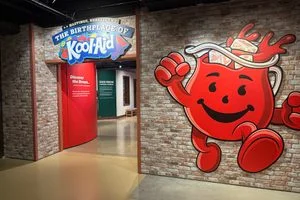
In Hastings, Nebraska, visitors can explore the fascinating history of Kool-Aid, crafted by Edwin Perkins in the early 20th century. The Hastings Museum of Natural and Cultural History dedicates a considerable portion of its exhibits to celebrate this iconic drink, aptly named Kool-Aid: Discover the Dream. This tribute matters, as Kool-Aid has cemented itself as a cultural touchstone, particularly in American childhoods. However, those hoping to taste the nostalgia may be disappointed, as the exhibit focuses solely on its rich history and marketing evolution rather than actually offering samples for the visitor to savor.
The Evolution from Fruit Smack
Before Kool-Aid graced the shelves, Perkins first introduced the world to Fruit Smack—an impractical flavored syrup that often leaked from its glass containers. Imagine the frustration of consumers at the time. To resolve this issue, Perkins innovated, creating powdered packets after taking inspiration from Jell-O. This pivot was more than a simple rebranding; it represented a turning point in how flavored beverages were consumed. He launched the drink, initially called Fruit-Ade, in 1927. But it wasn’t until the backdrop of the Great Depression that it really took off. By reducing the price to just 5 cents per packet, Perkins tripled his profits, cleverly appealing to cash-strapped consumers who sought affordable treats during tough times.
Exhibit Highlights
The exhibit doesn’t just recount the beverage's beginnings; it gives visitors an immersive experience showcasing various marketing strategies that defined the brand. For those unfamiliar with the breadth of Kool-Aid's influence, this is enlightening. Guests can view vintage packaging and advertisements, remnants of a past when marketing was tactile and visual rather than digital and instantaneous. They’ll also find an array of discontinued Kool-Aid products, encompassing items like bubble gum and sherbet that once captured the public’s imagination. An inviting fiber optic ‘river’ symbolizes the drink, meandering through the museum's lower level, adding an artistic flair that connects youth and fun with the beverage's colorful history. For fans of the brand, the original Kool-Aid Man suit is also on display, though, amusingly, it won’t make its signature entrance through walls. This detail serves as a lighthearted reminder of the character's broader cultural impact.
The Cultural Significance of Kool-Aid
Kool-Aid has far transcended its status as merely a sugary drink. It’s become a notable part of American culture, appearing in everything from childhood summer memories to artistic expressions. This drink has often been associated with the nostalgia of vibrant, family gatherings where simplicity was key. In a rapidly evolving world, the idea of a simple packet of powdered drink mix resonates. It symbolizes an era when consumers enjoyed less complicated pleasures. In this way, Kool-Aid has bridged generations, appealing to both children and parents who want to recreate the same delightful experiences for their families.
Implications of Kool-Aid's Legacy
So what does this legacy tell us about consumer behavior and branding? Kool-Aid's successful journey from Fruit Smack to an American staple exemplifies how understanding and pivoting to consumer needs can define a product. The nostalgic and enduring nature of Kool-Aid highlights the fundamental truth: simplicity can lead to profound resonance in the market. If you're working in this space, consider the elements that create strong emotional ties between consumers and brands. Is there something in your offering that harks back to simpler times? Moreover, as comments around sugary drinks become more critical under health guidelines, Kool-Aid's future may need to incorporate changes—perhaps expanding into natural flavors or sugar-free options to maintain relevance in an increasingly health-conscious market.
Ultimately, Kool-Aid has marked its place not just on store shelves but in the annals of American life. As nostalgic as it is, it simultaneously sparks conversations about evolving consumer preferences and the need for adaptation in branding strategies. The story of Kool-Aid is not only one of innovation but also of understanding cultural shifts and the power of a brand narrative that resonates across different eras. And this is the part most people overlook: the interplay of nostalgia and marketing savvy can define a product's longevity in a competitive landscape.