Dubai is set to embark on a significant infrastructure project by constructing a new port and terminal, aimed at circumventing Iran’s control over the strategically vital Strait of Hormuz. This port is a direct response to ongoing security concerns, with the maritime route having been impacted by a series of Iranian military actions.
The Strategic Importance of the Strait of Hormuz
The Strait of Hormuz is critical to global energy supply, with approximately 20% of the world’s oil traveling through it. This narrow waterway is not just a shipping channel; it's a linchpin in the international economy. Any disruption here can ripple through global markets, affecting oil prices and, consequently, economies worldwide. Recent military tensions, particularly following the US-Israeli airstrikes on Iran at the end of February, have intensified disruptions to shipping operations. An interim agreement that temporarily eased access for commercial vessels now faces complications, and skirmishes between US and Iranian forces have resumed, stoking fears in Gulf nations.
What this means for global trade can't be overstated. Shipping operations are not just logistical tasks; they're intertwined with geopolitical stability. Freight rates have been fluctuating due to insecurity in the region, leading many shipping companies to rethink their routes and strategies. Shippers might face increased costs or delays, issues that could culminate in elevated consumer prices further along the supply chain. This isn't just a localized problem; it borders on becoming a global economic concern.
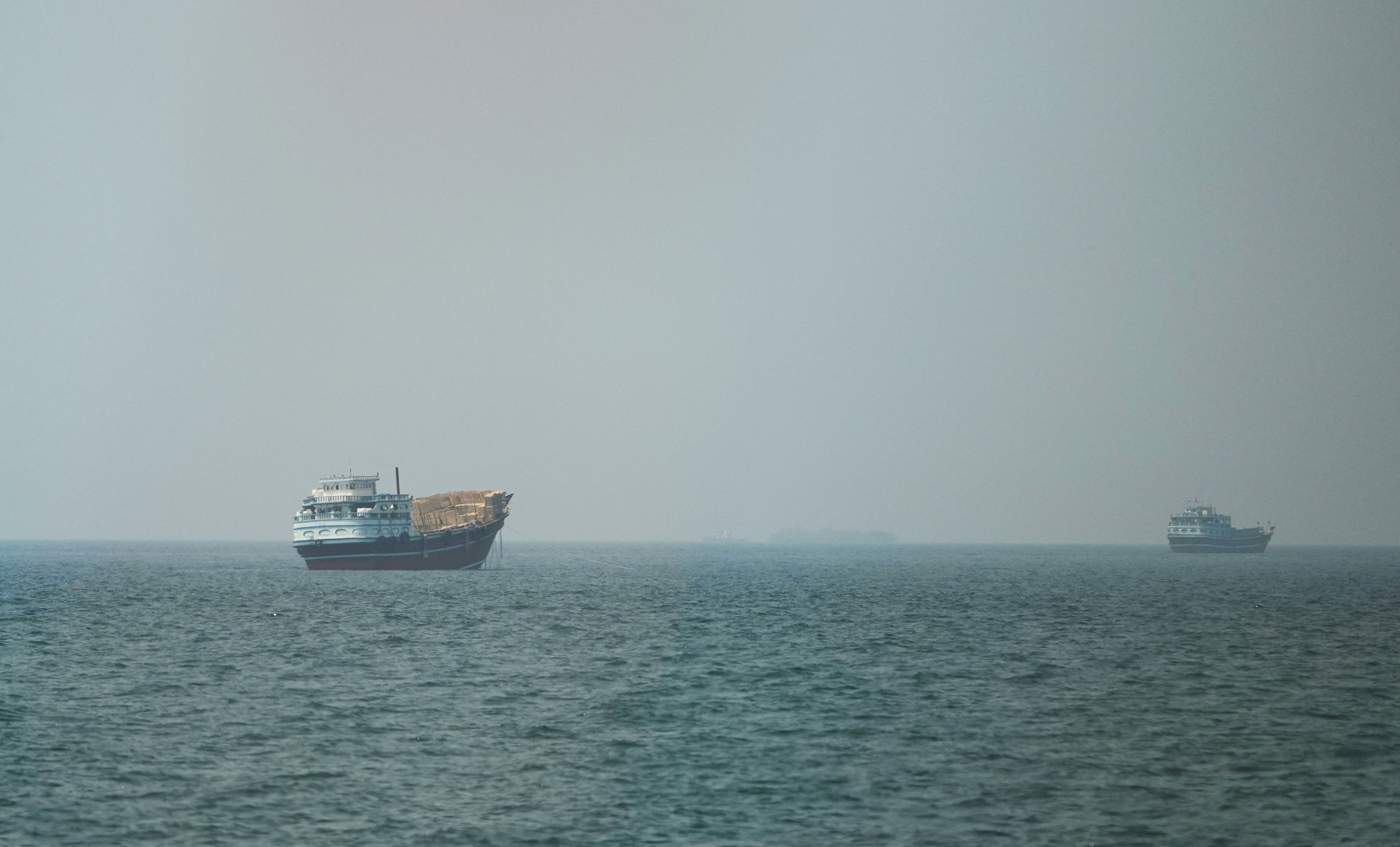
Dubai's Strategic Response
Dubai’s port operator, DP World, is reportedly in discussions to develop new port facilities in Fujairah, a coastal area distinctly positioned outside the Strait of Hormuz. This development aims to reduce reliance on the existing Jebel Ali port, which has faced its own challenges — the most recent of which was damage from an Iranian missile strike. Such strategic positioning is more than just a smart choice; it's a necessary pivot in an increasingly perilous environment.
Plans for enhancing existing terminals and introducing a brand-new multipurpose port in Fujairah reflect an ongoing strategy to ensure uninterrupted trade and bolster the UAE’s maritime security. The decision to develop Fujairah as an alternative hub signals a clear understanding of the regional dynamics at play. If you're working in this space, you know that infrastructure development isn’t just about modernizing; it’s about anticipating the future.
While Jebel Ali remains an essential hub for Dubai, officials have stated that it will not be diminished as a result of the new port development. “Jebel Ali will continue to be Jebel Ali,” noted a company official in discussions with the Financial Times. “It will never be downsized.” This is significant because it demonstrates a dual approach to maritime security: enhancing existing capabilities while building new ones to navigate threats effectively.
Financial Aspects of the New Development
To finance the project, DP World is expected to invest hundreds of millions of dollars initially, with potential for further financial commitment as the scope evolves. The initiative reflects a proactive approach to enhance access along the eastern coast, ensuring readiness in case of escalating tensions. (And this is the part most people overlook.) The financial implications of this venture are not just about immediate costs; they extend into long-term economic forecasting for the region.
Regional Military Context
The UAE’s military readiness has been called into question amid a series of Iranian missile strikes. As reported in April 2026, Iran has launched substantial numbers of attacks, and Gulf officials are taking measures to adapt to this volatile environment. The increasing military aggression has set off a chain reaction among Gulf states, prompting them to invest more in defense and surveillance capabilities. But how sustainable are these measures?
Just yesterday, another Iranian missile struck a tanker off Oman’s coast, highlighting the ongoing threat to maritime safety. These incidents serve as stark reminders of the risks involved in navigating these waters. The backdrop of escalating hostilities further emphasizes the necessity of having alternative trade routes, which Dubai’s foresight in building a new port facility aims to achieve. This crucial step could very well safeguard its interests against the region's instability.
Implications for the Future
The establishment of the Fujairah port has significant implications for the UAE and the broader Gulf region. It signals a decisive shift in how nations navigate the complexities of maritime security amidst regional tensions. Rather than relying solely on traditional routes and established ports, there’s a clear movement towards diversifying infrastructure to mitigate risks.
This shift could set a precedent for other Gulf states to follow suit, especially as they contend with similar security threats. If the UAE succeeds in this venture, it might inspire neighboring countries to reevaluate their own strategic positions. The new port isn't just about shipping; it’s about redefining maritime strategy in a region fraught with danger. The growing complexity of this situation and the adaptability it demands from all parties involved will shape Gulf dynamics for years to come.