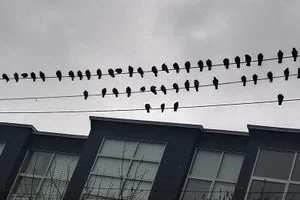
The Unique Phenomenon of Crow Roosting
In the world of ornithology, certain natural behaviors draw keen interest, and the crow roosting phenomenon in the Lower Mainland of British Columbia is standout. Each evening, crows migrate back to their preferred roosting spots, and if you want to witness a remarkable ornithological event, you’ll want to explore the area around Still Creek Drive. This specific five-block stretch between Willingdon Avenue and Gilmour Avenue serves as a primary congregational point for thousands of these birds. The sheer number and orchestrated migration of crows here create an electrifying atmosphere that both mesmerizes and educates.
This behavior is common among crows and other corvids, which are known for their advanced social structures and problem-solving abilities. Crows tend to gather in large groups for safety and social interaction. With their ability to communicate and cooperate, they seem to navigate the complexities of urban environments with ease—and there’s something to admire about that adaptability. If you find yourself in this part of British Columbia, you're in for a rare treat.
Understanding the Crow Migration Ritual
As dusk descends, crows embark on their impressive migration back to their nesting grounds in a ritual that’s as fascinating as it is mysterious. Their unmistakable calls fill the evening air, creating a symphony that’s both eerie and awe-inspiring. What can only be described as an avian ballet unfolds; you can observe birds swooping, circling, and finally settling down for the night. The second-floor McDonald’s on Willingdon Avenue offers a fantastic vantage point for observers hoping to catch a glimpse of this spectacle.
The migration isn’t just a routine; it serves multiple purposes. Roosting together provides safety in numbers, reducing vulnerability to predators. It's also a time for social bonding and sharing information. Similar systems typically see crows engage in vocalizations that strengthen their connections. What’s particularly intriguing is how these birds seem to have designated roosting locations based on experience and peer learning. This speaks volumes about the intelligence of crows, often regarded as one of the most intelligent species in the animal kingdom.
A Dawn Experience Like No Other
Visitors who come to observe these captivating birds during the dawn hours are in for an extraordinary sight. As the sun rises, the area transforms into a flock-filled environment, with crows blanketing the surroundings, reminiscent of a black feathered tarp across the roadway. This phenomenon attracts not only bird watchers but also photographers and nature lovers alike. The way the birds move in unison can almost resemble a well-choreographed dance, making it a must-see experience.
However, this isn’t merely an entertaining visual. The gathering presents opportunities for bird enthusiasts to study different behaviors, interactions, and the overall dynamics within the group. This vital area offers critical insights into the social structures of crows and serves as a natural classroom for birders and novice enthusiasts alike. You might just witness a spirited interaction between two birds or see how younger crows vie for space while the older ones assert their dominance.
Approaching the Roost with Respect
While it might be tempting to get too close to the action, a cautious approach is advisable. Crows are remarkably intelligent creatures capable of complex behaviors, including remembering human faces. If threatened, they won’t hesitate to communicate potential danger to their flock, a behavior that highlights their social intelligence. So if you’re working in this space or visiting, it’s imperative to enjoy the experience respectfully. Respecting the distance ensures that you can appreciate these remarkable birds without disrupting their natural behavior.
This element of intelligence amongst crows is a testament to their adaptability, particularly in urban settings where they often thrive. These behaviors can also inform you about the challenges these birds face, including habitat loss, urban encroachment, and food scarcity. Observers can gain a more profound appreciation not just for the spectacle but also the underlying narratives of resilience that these birds embody.
Implications for Bird Conservation and Urban Ecology
The crow roosting phenomenon highlights a more extensive dialogue about urban wildlife and conservation efforts. As cities grow, the need for coexistence between human populations and wildlife enhances the urgency for strategies that foster this relationship. Birds like crows, which can adapt to urban environments, often serve as indicators of ecological health. Their presence signifies both a success story and a cautionary tale regarding the impact of urbanization on wildlife.
For researchers and conservationists, studying congregations like this can provide vital data on migratory patterns, social behaviors, and even responses to urban stressors. This is particularly pertinent as climate change continues to alter habitats globally. Bird populations, especially those that can adapt quickly, might offer critical insights into the broader ecosystem and highlight the necessity for sustainable urban planning.
So here's the thing: understanding crows isn’t just about observing an interesting phenomenon; it’s about connecting with larger ecological issues of our time. If you take time to watch these intelligent birds, you may walk away with a newfound appreciation for the intricate balance we must maintain between nature and urban development.