An Insightful Tribute
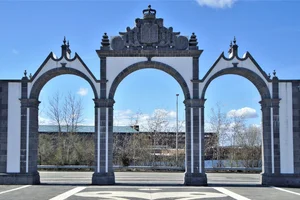
Standing 60 feet tall and 30 feet wide, the Gates of the City in Fall River isn't just a display of artistry. It serves as a powerful homage to the city's deep-rooted Portuguese heritage, reflecting the rich history of the community that has made significant contributions to the area. Constructed in 2006, the monument replicates the original Gates to the City in Ponta Delgada, Azores, symbolizing the strong sister city relationship that exists between these two locales. Beyond being a mere structure, it resonates as a cultural beacon, reminding residents and visitors alike of the indelible impact made by Portuguese immigrants who shaped Fall River's cultural landscape.
This tribute intersects with the broader narrative around immigrant contributions to American cities. Communities like Fall River often face challenges maintaining their cultural identity amid economic and social changes, but monuments such as this serve a dual purpose. They not only preserve history but also foster pride within the local community. When you walk by the Gates of the City, you’re not just observing a piece of architecture; you're experiencing a narrative that is woven into the fabric of the city.
Location and Surroundings
Conveniently located, the monument provides more than just a stunning view—it’s situated a short stroll from several popular attractions. A visit to the Gates can easily be combined with a trip to Battleship Cove, which showcases an impressive collection of U.S. Navy ships, including the legendary USS Massachusetts. This nearby naval museum adds another layer of historical context to the area, highlighting the maritime significance of Fall River.
In addition to the naval presence, the Gates of the City sits within a few blocks from Fall River’s vibrant Portuguese Heritage District on Columbia Street. This district is a bustling hub where visitors can explore the Church of Santo Christo, a stunning example of local religious architecture that plays a crucial role in the community's social fabric. Here, you'll find an array of Portuguese eateries, bakeries, and shops that offer everything from traditional pastries to handcrafted goods. If you’re looking for an authentic culinary experience, this is where you’ll find locals gathering over meals that reflect their cultural roots.
What stands out about this area is how each establishment and monument tells a part of the story of Fall River. The surrounding neighborhood isn’t merely a backdrop to the Gates but an integral aspect of the cultural narrative that the monument represents. Visitors often overlook this interconnectedness, focusing solely on the monument without engaging with the stories embedded in the streets, food, and architecture surrounding it.
Cultural Significance
Examining the broader implications, the Gates of the City serves as a representation of cultural preservation in a frequently homogenizing world. Immigrant communities often face pressures to assimilate, yet structures like these effectively resist such tendencies. They become touchstones for the community, allowing both young and old to reconnect with their heritage. In a time when societal divisions may seem more pronounced than ever, such symbols advocate for unity through cultural pride.
This monument also presents an opportunity for education and cross-cultural dialogue. Schools and organizations could leverage this site for educational programs that explore the history of Portuguese immigrants in New England. There’s immense potential for involvement among local students, inviting them to reflect on their own heritage while also learning about the experiences of others. These excursions can bolster community connection and understanding—something that feels particularly necessary in today’s climate.
Visitor Experience
For those thinking about visiting, it’s worth planning enough time to fully appreciate the context of the Gates of the City. The sight itself is impressive, but engaging with local guides, or participating in walking tours can enhance your experience. These guided interactions help to unravel the layers of history that a simple visit might otherwise gloss over. You'll hear stories that bring the monument to life, stories about family histories and legacies that are tightly woven into Fall River's evolving identity.
An unassuming detail, perhaps, is that the locals often congregate around the Gates, particularly during cultural events and festivals. Watching these gatherings can be enlightening; it reveals how shared physical locations foster community spirit. So, if you’re working in this space—whether in community development or tourism—consider how these dynamics play a role in preserving local identity.
Implications and Future Outlook
The significance of the Gates of the City extends beyond tourism or local ambiance—it’s indicative of a broader, pressing need for cultural preservation in urban spaces. As cities continue to grapple with rapid development and shifting demographics, monuments like this become essential signposts that remind communities of their roots and the stories that have shaped their identities.
In light of increasing globalization, maintaining a strong sense of local identity has never been more pertinent. The Gates stand as a reminder that urban growth doesn’t have to come at the expense of cultural history. Cities can seek to marry the modern with the traditional, creating spaces that honor both innovation and heritage.
The outlook for the Gates of the City and structures like it is relatively positive, particularly as discussions about diversity and inclusion gain traction in municipal dialogues. Ensuring these voices are heard will likely lead to further initiatives aimed at cultural conservation, which could help punctuate modern urban narratives with rich historical context.
Ultimately, monuments are more than concrete; they are vital threads in the ever-complicated tapestry of community life. Their significance is more layered than it appears on the surface. And as for the Gates of the City, its role is far from over.