A Hidden Mughal Treasure
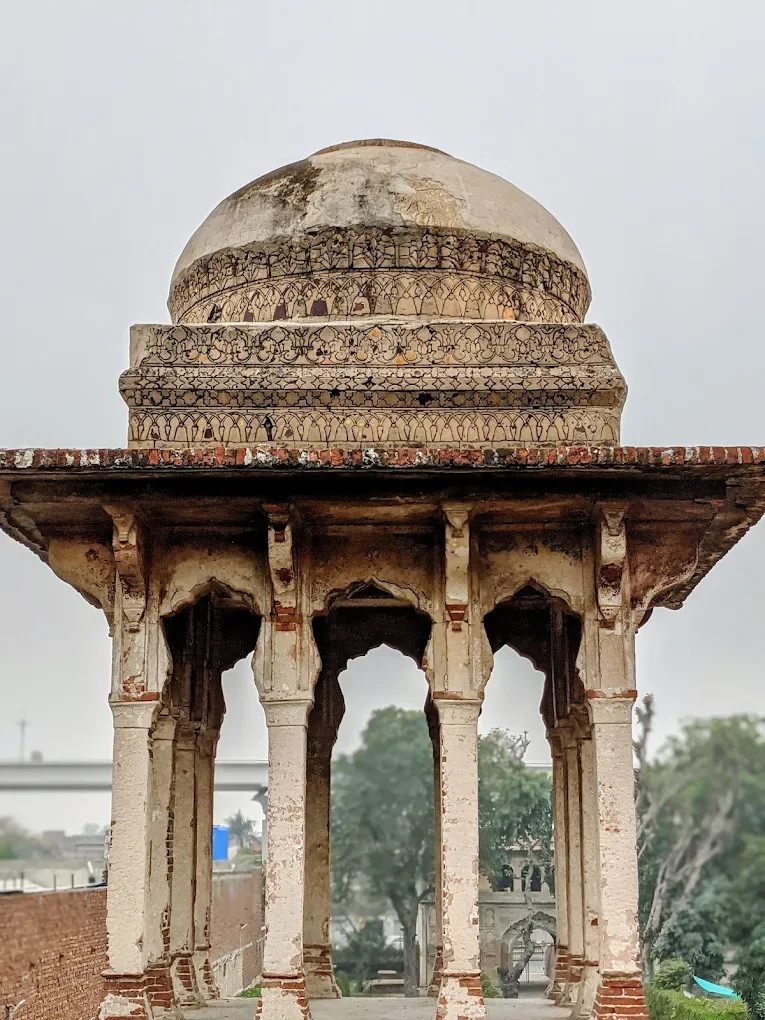
Nestled away from the chaos of the Grand Trunk Road and adjacent railway tracks, the Tomb of Dai Anga offers a glimpse into Mughal splendor that's often eclipsed by modernity. Constructed in 1671, this mausoleum honors Zeb-un-Nisa, affectionately known as Dai Anga, the esteemed wet nurse to Emperor Shah Jahan, who wielded considerable influence at court. Dai Anga was more than just a caregiver; she played an essential role in the early life of one of the most famous Mughal emperors. Her influence arguably shaped not just Shah Jahan’s character but also his policies during his reign, which included monumental architectural achievements like the Taj Mahal.
The Historical Context of Dai Anga
The Mughal Empire, at its zenith in the 17th century, was characterized by immense wealth and artistic flourishing. While rulers like Akbar and Aurangzeb are often highlighted for their military conquests and religious policies, figures like Dai Anga are underappreciated for their roles behind the throne. This tomb is not merely a resting place; it symbolizes the intricate relationships within the Mughal court, where alliances were often solidified through personal connections. Recognizing Dai Anga's significance helps illuminate the complexities of Mughal society and its intricate network of relationships that empowered not just emperors but the individuals around them.
Architectural Details
For those passionate about architecture, the tomb’s intricate Kashi-kari, featuring fading yet stunning mosaic tiles, captures the eye with floral motifs and vibrant turquoise shades. The Mughal architecture is renowned for its elaborate decoration and symmetry, hallmarks that are beautifully executed in this structure. This monumental building, perched on a raised platform, features a central dome that’s a classic element in Mughal design, symbolizing the connection between the earthly and the divine.
What might surprise some visitors is the serene atmosphere that envelops the tomb, providing an unexpected tranquil retreat from Lahore’s vibrant city life. As you wander through the site, you can almost feel the echo of history in the air. The juxtaposition of elaborate artistry within the tomb against the industrial backdrop of modern Lahore offers an engaging commentary on the endurance of cultural heritage amidst urbanization.
Challenges Facing Historical Sites
Although modern development poses a threat, the tomb remains a compelling symbol of Mughal legacy and the wealth of the past. This is more significant than it looks. Many historical sites risk being overshadowed or even demolished by urban expansion, which often prioritizes modern convenience over cultural preservation. Governments and preservationists face an uphill battle, trying to forge a balance between progress and protection. Lahore, being a melting pot of ancient traditions and modern aspirations, exemplifies this struggle.
Public awareness and appreciation are essential to safeguarding such treasures. This is where local communities and educational initiatives could come into play. If more people recognize the historical importance of sites like the Tomb of Dai Anga, there might be a stronger push to protect them. Sadly, the cultural narrative often focuses purely on well-known landmarks, leaving others like Dai Anga's tomb in relative obscurity. And yet, it’s precisely these less heralded sites that can tell rich stories about the fabric of history.
Significance of Dai Anga’s Legacy
Dai Anga’s legacy extends beyond her role in the royal court or her dedication commemorated in stone. The tomb serves as a reminder of the woman’s influence in a predominantly patriarchal society. The role of women in shaping history—whether through direct action or subtler means—often remains overlooked. This oversight is not unique to Mughal history; it can be found in many cultures worldwide. As we continue to excavate and analyze historical narratives, a more nuanced view of women's contributions is vital. This kind of shift could lead to richer understanding and appreciation in academic and public spheres alike.
Future Outlook and Preservation Efforts
What this means for you, especially if you're working in this space, is clearer action must be taken to engage with and advocate for sites that are at risk. Many such initiatives focus on raising awareness among the younger generation. Educational programs proposing to integrate these cultural heritages into curricula are already being developed, potentially fostering a new respect for their historical significance. That said, funding and political will are often required to make these visions a reality.
Yet, challenges remain; bureaucratic red tape can hinder preservation efforts. Moreover, the commercial interests surrounding urban development often outweigh cultural preservation efforts. As cities expand and focus on economic growth, the historical sites are often relegated to the background. Achieving recognition for these spaces, advocating for their preservation, requires a multi-faceted approach that involves the government, local communities, and international organizations.
In the end, the Tomb of Dai Anga stands as both a testament to a pivotal era in South Asian history and a call to action for modern societies to protect their heritage. The intertwining tales of figures like Zeb-un-Nisa reflect the complexity of human relationships in the past and prompt us to forge connections today. We need to ask ourselves not just what we can learn from history but also how we will preserve these lessons for the future.