Discovering the Musée des Années 30
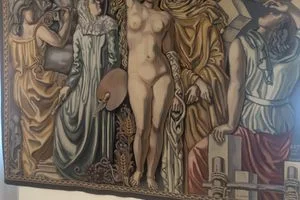
Located just west of Paris and easily reachable by the Metro, the Musée des Années 30 in Boulogne-Billancourt immerses visitors in the art and ambiance of the 1930s. This period was marked by fascinating contrasts: a blend of socio-political dramas and artistic innovation, shaping much of contemporary culture. The museum features an impressive collection of furniture, paintings, sculptures, ceramics, posters, and decorative items from the interwar era, providing an expansive look at a time that was pivotal for artistic evolution. If you're looking to understand the intersection of art and societal change, this space presents an intriguing lens through which to examine these dynamics.
Art Deco Beyond Glamour
This museum distinguishes itself by examining Art Deco not merely as an aesthetic style but as a reflection of its time, touching on larger narratives that defined the decade. The exhibits capture a France enthralled by modernity, encompassing themes like speed, industry, cinema, and innovative architecture. Boulogne-Billancourt was pivotal in this narrative, serving as a vibrant hub for factories, artist studios, and bold architectural innovations. In many ways, this suburban setting played a crucial role in shaping the artistic conversations of the 1930s, making it an essential study for anyone interested in how location influences creative expression.
What's fascinating is how the fluidity of Art Deco allowed it to encompass various forms and ideologies. The museum presents pieces that go beyond the glamour often associated with this style, reflecting societal transformations and the tensions of the interwar years. The elegance often makes it easy to overlook the underlying themes of economic hardship and cultural shifts. But that's where the real conversation starts—understanding how aesthetics can serve as a commentary on the zeitgeist.
The Colonial Painting Exhibit
One of the standout sections highlights colonial painting, which is both captivating and thought-provoking. These artworks defy simplification, steering clear of the caricatures commonly associated with the era while remaining intricately linked to the colonial mindset of 1930s France. This juxtaposition of Art Deco sophistication with themes of exoticism and empire adds a rich layer to the museum experience, illustrating both the allure and the complexities of the 1930s. It prompts visitors to consider not just the beauty of these works but also the societal implications they carry.
As you stroll through the exhibit, you'll notice how these pieces represent the contradictions of a society grappling with its colonial pursuits while also celebrating artistic achievements. The contrast between sophisticated portrayals and simplistic stereotypes requires contemplation. And let's face it: most people overlook the deeper significance embedded in these artworks. There's a fine line between admiration and critique that many visitors might not navigate. It forces an uncomfortable but necessary discussion on how art often mirrors the prevailing ideologies of the society in which it is created.
Implications and Significance
Exploring the Musée des Années 30 opens a dialogue about the relevancy of historical art movements in contemporary society. The way this museum presents Art Deco signals a possible rebuke to the traditional narratives that often overshadow the complexities of art's intertwined relationship with history—especially around topics like colonialism. By choosing to showcase these layers, the museum doesn’t just entertain; it educates. This approach forces visitors to confront uncomfortable truths while appreciating the artistic talent of the time.
This kind of engagement is essential. What this means for you, whether you're a student of art history or just someone who appreciates aesthetic beauty, is a chance to rethink the way we view past artistic movements. The museum encourages a broader perspective, inviting critical discussions around modernity, colonialism, and globalization that can still resonate today. As we feel the effects of past ideologies in our current landscape, these conversations become increasingly relevant.
By shining a light on the cultural and social undercurrents of the 1930s, the Musée des Années 30 provides essential context. In a world that often romanticizes the past without addressing its complexities, this museum stands as a necessary counterpoint. Engaging with its collections can inspire questions about our ongoing cultural narratives and societal values, reminding us that art, in all its forms, is never free from the socio-political context in which it resides.