Unearthing Literary Legacy
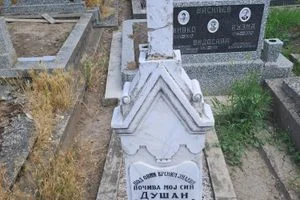
Nestled within Melino Groblje, one of Kikinda's oldest cemeteries, lies the grave of Dušan Vasiljev. His short but impactful life left an indelible mark on Serbian literature, encapsulating the complexities of his time. Located near the Holy Trinity Monastery, this unassuming white monument often goes unnoticed amid more prominent tombs. Yet, it honors a powerful literary figure whose voice thundered amid the chaos of the First World War, initiating poignant reflections on war, identity, and the human condition. The significance of such a site cannot be overstated—it serves as both a historical marker and a literary pilgrimage.
Life Shaped by Conflict
Dušan Vasiljev was born in Kikinda on June 19, 1900. His formative years, like those of many contemporaries, were heavily influenced by the ravages of war. The brutality and loss he experienced were not mere backdrop events; they fundamentally shaped his worldview and artistic expression. War wasn't just something happening in the distance; it intruded upon lives, defining futures and altering destinies. During his brief life, he crafted an array of poetry, prose, essays, and critical works that captured profound sorrow, moral ambiguity, and disillusionment faced by Europe post-conflict. This was a time when many sought meaning amid chaos, and Vasiljev's literary contributions provided insight into collective despair and resilience.
A Brief Yet Impactful Career
Vasiljev's life came to an early end on March 27, 1924, when he was just 23. Despite his youth, his writings secured him a place among the most significant Serbian expressionist voices. His poetry articulated the struggles of a generation grappling with ruins. He didn't just document suffering; he dissected it, revealing the layers of injustice that often lay hidden beneath the surface. His profound insights into suffering resonate with readers today, transcending time. The brevity of his career belies the weight of his influence, which invites one to consider what other insights and visions he might have shared had he lived longer. (And this is the part most people overlook.)
A Simple Yet Profound Tribute
The simplicity of Vasiljev's grave mirrors both his life and the tragedy of his untimely death. A tall white cross marks the site, inscribed in Serbian Cyrillic with the words, "Under this honorable cross rests my son." This inscription, alongside his name and dates of birth and death, carries the signature of his father, Kosta—adding a deeply personal touch to the memorial. It's a poignant reminder not only of loss but also of the enduring love that encapsulates the relationship between parent and child. The memorial stands not merely as a family marker; it conveys the weight of a literary career abruptly halted, a voice forever silenced yet echoing in the hearts of those who read his work.
A Quiet Reflection of History
Vasiljev's grave does not feature grand monuments or tourist attractions. Instead, it occupies a humble space within a cemetery steeped in local history, where themes of faith and memory intertwine. This simple setting is fitting for a poet who examined the fragility of life and the burdens borne by everyday individuals. The lack of ostentation in the grave reflects a broader commentary on the relationship between art and suffering—a reminder that true profundity often resides outside the spotlight. Visitors might come expecting a show of grandeurs, but they encounter instead raw sincerity bound to the earth beneath them.
Encountering Forgotten Voices
For those drawn to literary history and the lasting impacts of war, visiting Dušan Vasiljev's grave offers a moving experience. Tucked away in the serene paths of Melino Groblje, it remains a poignant reminder of the endurance of lost voices, continuing to echo through both stone and verse. The cemetery not only houses memories but invites contemplation of the ongoing impact of conflict on creative expression. If you're working in this space—be it literature, history, or art—you'll find that every visit sparks new thoughts about what it means to create in times of hardship.
The Significance of Remembering
Reflecting on figures like Vasiljev prompts questions about how we choose to remember the past. His story highlights the importance of preserving the voices of those who lived through turmoil. Literature is not just an artistic endeavor; it’s also a way to bear witness to history. In recognizing the contributions of forgotten authors, we enrich our understanding of cultural heritage and the human experience itself. The implications here are significant: as we remember writers who grappled with personal and collective crises, we keep alive the discussions they ignited—about the essence of humanity, morality, and resilience in the face of adversity. In a world where new challenges emerge daily, revisiting these voices may inspire contemporary discourse on similar issues, urging us not to forget the lessons learned through the lens of art.