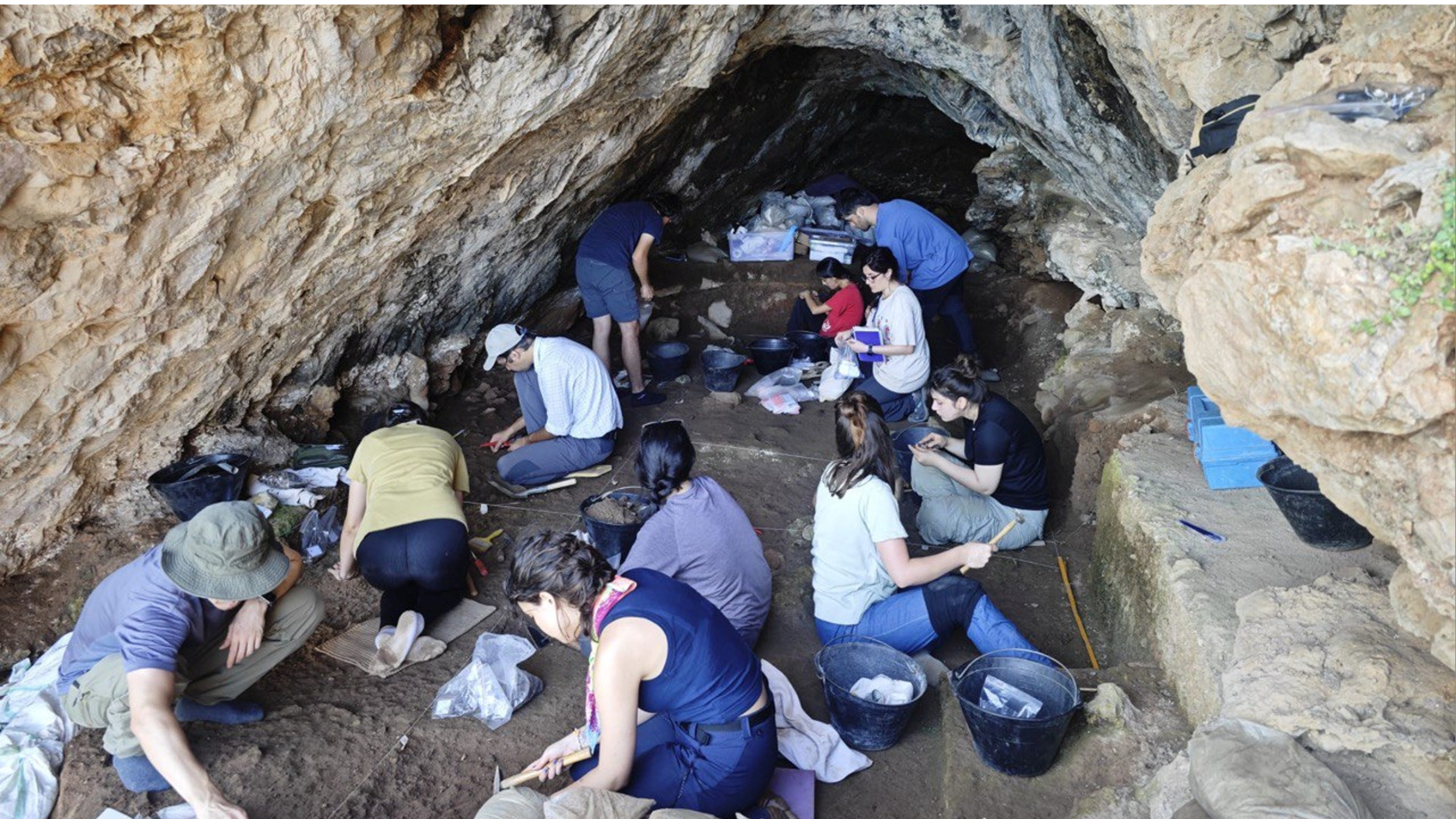
Archaeological discoveries at Üçağızlı II Cave along Turkey's Mediterranean coast have revealed striking similarities between the daily lives of Neanderthals and later arrivals of modern humans. Excavations show that both groups hunted similar prey, used comparable stone tools, and shared an interest in ornamental seashells, suggesting a deeper cultural connection than previously thought.
The findings, detailed in a study published in PNAS, probe fundamental questions about human evolution and the degree of cultural exchange between these two species. The evidence indicates that Neanderthals and Homo sapiens were far more integrated in their lifestyles within the Middle East than historical narratives have suggested.
Uncovering the Hidden Past
Located near the northern Syrian border, Üçağızlı II Cave functioned as a prehistoric corridor for migrations between the Levant and Eurasia. Archaeologists unearthed only a few fossilized remains, including teeth and a partial jawbone, but used advanced techniques to differentiate between Neanderthal and modern human remains. By employing optically stimulated luminescence dating methods, they established that Neanderthals occupied the cave around 77,000 to 59,000 years ago, while H. sapiens were there from about 59,000 to 47,000 years ago.
Interestingly, analysis of the evidence revealed no significant shifts in hunting or gathering strategies between the two periods. “Substantially uniform hunting-gathering strategies and lithic technology” were observed, a key indication of cultural continuity between the two groups, as highlighted by the study.
Shared Resources and Cultural Practices
The study indicated a shared use of local materials such as flint and a common prey selection including wild goats, fallow deer, roe deer, and wild boar. More captivating, however, were the 29 shells of Columbella rustica discovered at the site, which appeared to have been collected for ornamental purposes rather than sustenance. Some items were even perforated, presumably intended for stringing. Notably, one shell from the Neanderthal layer showed evidence of having been deliberately heated to modify its color.
Co-author Naoki Morimoto, a paleoanthropologist at Kyoto University, posits that these findings indicate profound levels of cultural interaction, asserting that these two distinct but closely related species likely shared symbolic practices and preferences.
Contrasting Findings in Other Regions
This deep cultural connection stands in contrast to findings from other archeological sites, such as Mandrin Cave in France, where evidence suggests that Neanderthals and modern humans occupied the space at different times, lacking continuous cultural overlaps. In contrast, Tinshemet Cave in Israel has presented similar evidence of shared cultural behaviors dating back to around 130,000 to 80,000 years ago, reinforcing the idea that cultural interchange was more prevalent than previously thought.
Revisiting Human Relations
The findings from Üçağızlı II and Tinshemet Caves challenge long-held notions about the cultural relationships among Neanderthals, modern humans, and other contemporary Homo species. April Nowell, a Paleolithic archaeologist at the University of Victoria who was not involved in the study, comments that these results indicate a fascinating evolution in understanding cultural continuity and interaction—significantly altering our perceptions of these ancient human relatives.
Yet, despite these overlaps, the eventual extinction of Neanderthals around 40,000 years ago raises questions about the dynamics of such interactions. Research suggests that Neanderthals might have lacked some cognitive flexibilities present in H. sapiens, which could hint at the underlying reasons for the extinction of one species while the other prevailed. Nevertheless, the archaeological record may yet disclose differences that provide further insights.
The discovery of shared cultural practices at sites like Üçağızlı II might encourage future excavations to unravel more about how these human groups interacted—building a richer narrative around human evolution during the Late Pleistocene.
Take a moment to explore more about our closest relatives with our Neanderthal quiz!