Fast charging technology has become a staple in our daily lives, empowering smartphones to reach over 50% charge in less than 30 minutes and enabling electric vehicles to recover substantial ranges within short stops. However, as battery life is inherently limited, the concern arises: does fast charging compromise battery longevity?
The consensus among experts is that while fast charging does induce some degradation, the situation is nuanced. Contemporary batteries include protective measures designed to mitigate potential damage, but understanding how fast charging operates can illuminate the possible risks and inform user behavior. Knowing the balance between convenience and battery health is more significant than it looks at first glance.
Mechanics of Fast Charging
At the core of most devices lies the lithium-ion battery, which functions by transferring lithium ions between the cathode and anode during charging. The key distinction between fast and regular charging hinges on how quickly these ions move in the system. Regular charging typically adopts a slower current, permitting lithium ions to integrate smoothly into the anode, resulting in minimal heat generation. As Zhiyuan Jiang, a chemical engineering professor at Xi'an Jiaotong University, explains, fast charging drastically amplifies the current, expediting the time it takes to replenish a battery's energy.
Not all batteries are engineered for rapid charging. The ability to support such speeds hinges on materials used, internal architecture, and battery management systems—as highlighted by Jiang. Some batteries are designed with advanced materials that help facilitate faster ion transfer, reducing the risk of damage during quick charging sessions. However, other batteries lag behind and may sustain more damage from the same treatment, particularly older or less sophisticated models.
Stanislaw Zankowski, a battery researcher at the University of Oxford, employs a traffic metaphor. He suggests that fast charging efficiently manages the movement of lithium ions without causing congestion. When managed properly, this can lead to quicker recharges without overwhelming the battery’s components. But when the systems fail to cope with the increased pace, issues arise.
Potential Risks of Fast Charging
Battery aging is an unavoidable reality, regardless of care. Nonetheless, fast charging can exacerbate some natural degradation mechanisms, complicating the trajectory of battery health. While speed is convenient, its price may be steep. One major concern is lithium plating. During quick charging sessions, lithium ions may not infiltrate the anode adequately, leading to unwanted metallic deposits on the electrode's surface. These accumulations can hinder energy storage capacity and, in severe cases, form dendrites that compromise safety.
Heat generation is another factor that's inherent to fast charging. An accelerated charge cycle results in significant heat due to electrical resistance. Zankowski notes that for smaller batteries, this heat can be manageable; however, as battery size increases, the thermal output escalates, prompting safety concerns regarding rapid charging. If you're working in this space, understanding your battery’s design will be key when evaluating its charging capacity and limits.
Excessive heat can serve as a catalyst for chemical reactions that deteriorate battery materials. In dire scenarios, overheating risks issues such as swelling or even combustion— phenomena known as thermal runaway. Such instances, though rare, draw attention and instill caution within the fast charging narrative.
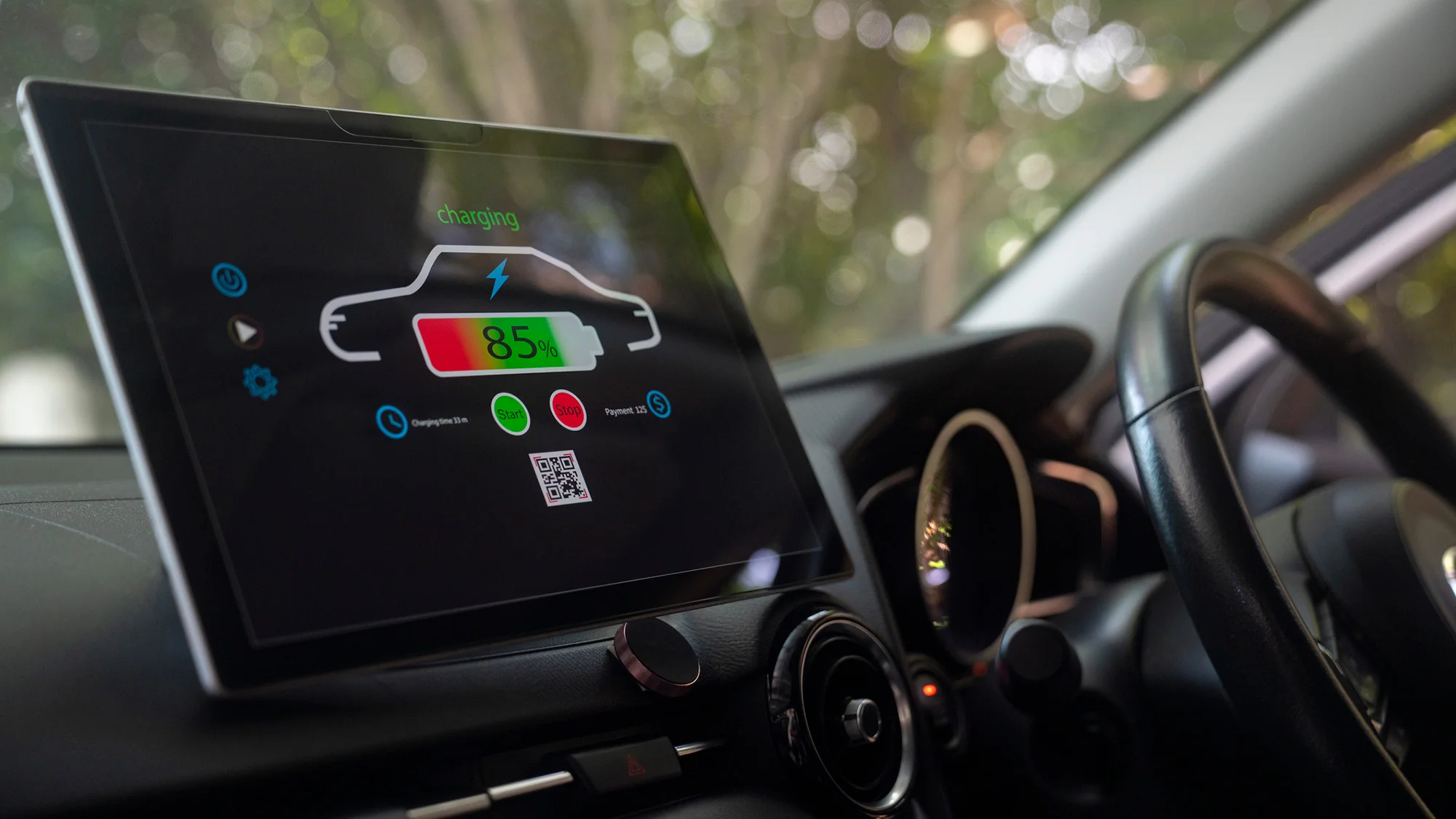
Fortunately, many modern devices come equipped with advanced battery management systems that oversee voltage, current, and temperature. These smart systems can slow down charging if temperatures exceed safe thresholds, providing an essential safeguard for battery health. They’re not infallible, though, and can’t entirely eliminate the risks associated with fast charging, especially in older technology.
Maximizing Battery Life
To optimize battery performance amid fast charging, experts suggest temperature management as a priority. Avoid charging devices in overheated environments, such as closed vehicles under sunlight, or exposed to extreme cold, which restricts lithium-ion mobility. Strategies like these don’t just help in the short-term; they also contribute to extending your battery’s lifespan long-term.
"The optimal charging temperature hovers between 20 to 25 degrees Celsius [68 to 77 degrees Fahrenheit]," Zankowski advises, comparing it to a comfortable room temperature. Many users overlook this simple guideline, thinking it’s merely an afterthought.%
Additionally, it’s advisable to resist the urge to keep devices constantly plugged in, as this habitual charging can lead to gradual performance decline. Jiang recommends aiming for a "shallow charge, shallow discharge" approach, suggesting users maintain batteries between 20% and 80% capacity during normal use. This strategy minimizes stress on the battery and can significantly enhance its longevity.
By implementing these practices, users can significantly enhance their battery life while still enjoying the convenience of fast charging. But will everyone do this? Probably not.
Implications and Future Outlook
The integration of fast charging in our devices is likely to continue evolving. Manufacturers understand the demand for speed, yet the conversation around battery safety and longevity is crucial. As technology progresses, we'll likely see more innovations aimed at balancing speed with health. Batteries that charge fast while sustaining longer life are not just a preference; they're a necessity.
This discussion has implications for consumers, manufacturers, and researchers alike. For consumers, understanding the risks enables smarter usage habits. Manufacturers must invest in developing better battery technologies that don’t sacrifice longevity for speed. Researchers, on their part, face the ongoing challenge of innovating solutions that address these issues.
Here’s the thing: unless usability changes, we might see a generation of devices that, after a few years, underperform as batteries age. In this context, how we charge our devices could shape the electronics of the future. Are we ready for that? Only time will tell.