Tropical forests, which play a vital role in sequestering carbon dioxide from the atmosphere, are facing alarming challenges. The Amazon rainforest alone is estimated to store around 123 billion tonnes of carbon, making it one of the most significant carbon sinks globally. However, recent research highlights a troubling trend for these ecosystems.
According to a study from 2023 involving over 100 scientists, tropical forests in South America could cease to be effective carbon sinks during El Niño events. This climatic phenomenon is increasingly linked to higher temperatures and extended dry spells, which severely stress forest ecosystems.
The current situation is particularly concerning given the increasing frequency and intensity of El Niño occurrences. In the last 60 years, the number of "very strong" events has doubled compared to previous decades. The National Oceanic and Atmospheric Administration has confirmed that a significant El Niño is underway, potentially exacerbating challenges for tropical forests.
Through the process of photosynthesis, tropical trees absorb CO₂ and convert it into biomass, but this process relies heavily on the delicate balance of temperature and moisture. In conditions of extreme heat and reduced water availability, plants often close their leaf pores to conserve moisture, simultaneously preventing CO₂ uptake.
The findings from the 2015-2016 El Niño illustrated this vulnerability vividly, as many South American forests essentially halted carbon absorption during heightened temperatures. The carbon that typically remains locked in tree biomass was instead released into the atmosphere as trees died and decomposed—an ominous sign for both local and global climates.
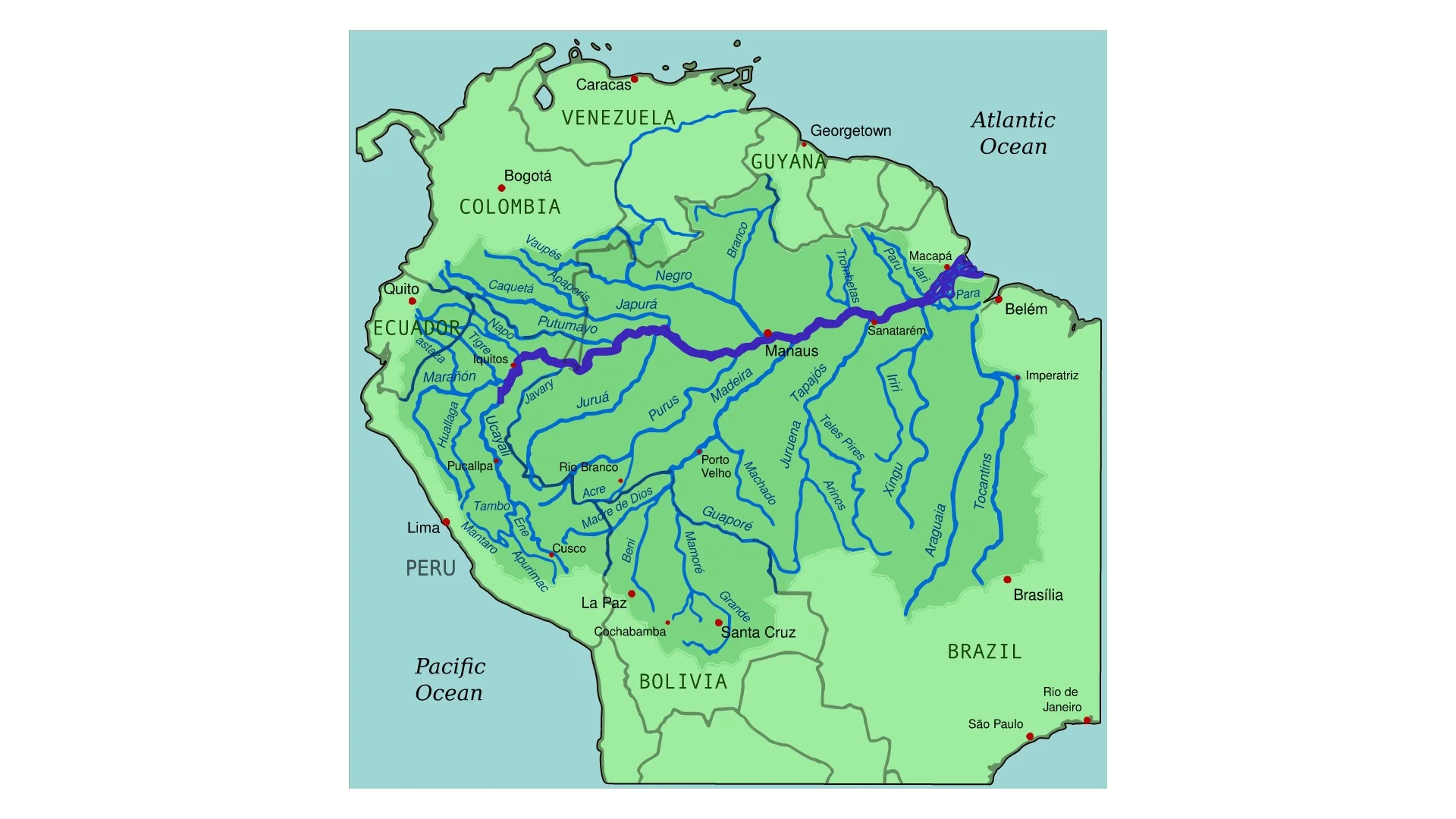
The study, which assessed more than 500,000 trees across six South American countries over a 30-year period, revealed vital insights about these forests. Despite common assumptions that rainforests are uniformly humid, many face seasonal droughts that test their resilience. Notably, those on the fringes of the Amazon were particularly susceptible to the extreme conditions associated with El Niño.
The research found that a rise of just 0.5°C can lead to a carbon loss of 0.5% in these drier ecosystems. Larger trees, specifically those over 20 cm in diameter, showed mortality rates that doubled during these climatic events, signaling acute stress through hydraulic failure rather than just insufficient carbon for photosynthesis.
A Looming Threat
The risks for tropical forests are mounting. Predictions suggest that 2026 could again be the warmest year recorded, raising alarms regarding the unprecedented intensity of the current El Niño. The preceding warm ocean conditions and heightened air temperatures add to the complexity of this climate event.
Over the past three decades, the regions bordering the Amazon have endured some of the most rapid temperature increases in the tropics, which compromises forest health. Major climate shifts before forests fully recover from previous stresses could lead to unprecedented carbon losses.
These combined threats emphasize the urgency of protecting tropical forests, crucial not only as carbon sinks but also for biodiversity and climate regulation. Without serious intervention and a commitment to mitigate climate change, we may see these ecosystems lose their ability to serve as effective carbon sinks, impacting both the Amazon and the planet as a whole.
This edited article is republished from The Conversation under a Creative Commons license. Read the original article.
Related stories:
- El Niño is officially here, and will be among the strongest ever recorded, NOAA announces
- 'Uncharted territory': Record-high ocean temperatures confirmed for June as El Niño strengthens its grip
- NASA satellite captures wave of warm water hundreds of miles long that signals a devastatingly strong El Niño
Rainforest quiz: Can you sort Earth's largest rainforests from biggest to smallest?