In a significant archaeological discovery, a team has uncovered 18 ancient tombs in Marina el-Alamein, located about 60 miles west of Alexandria along the Mediterranean coast. These tombs date back to the Ptolemaic (322 to 30 B.C.) and Roman (30 B.C. to A.D. 395) periods, as indicated by the Egyptian Ministry of Tourism and Antiquities.
The hierarchies of Egypt were particularly complex during these periods, especially under the rule of the Ptolemaic dynasty, which followed the legacy of Alexander the Great. This era represented a fascinating confluence of cultures, where Hellenistic influences permeated traditional Egyptian customs. The Roman era commenced with Cleopatra VII's death, prompting Egypt's integration into the Roman Empire, which led to significant shifts in governance, economy, and religious practices.
Unearthing the Tombs
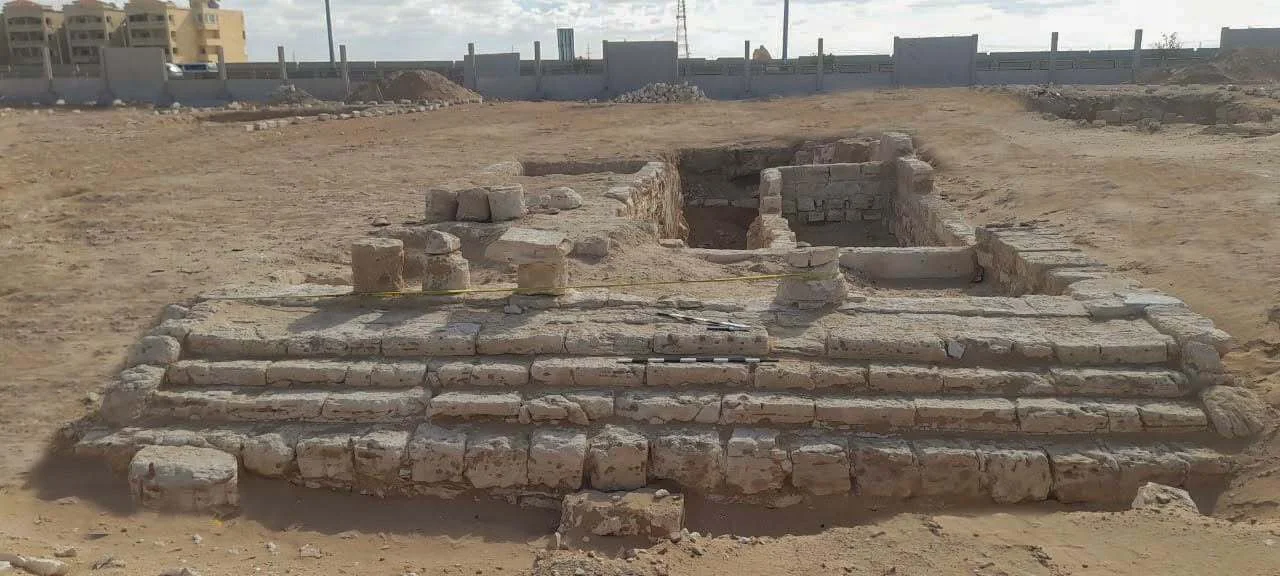
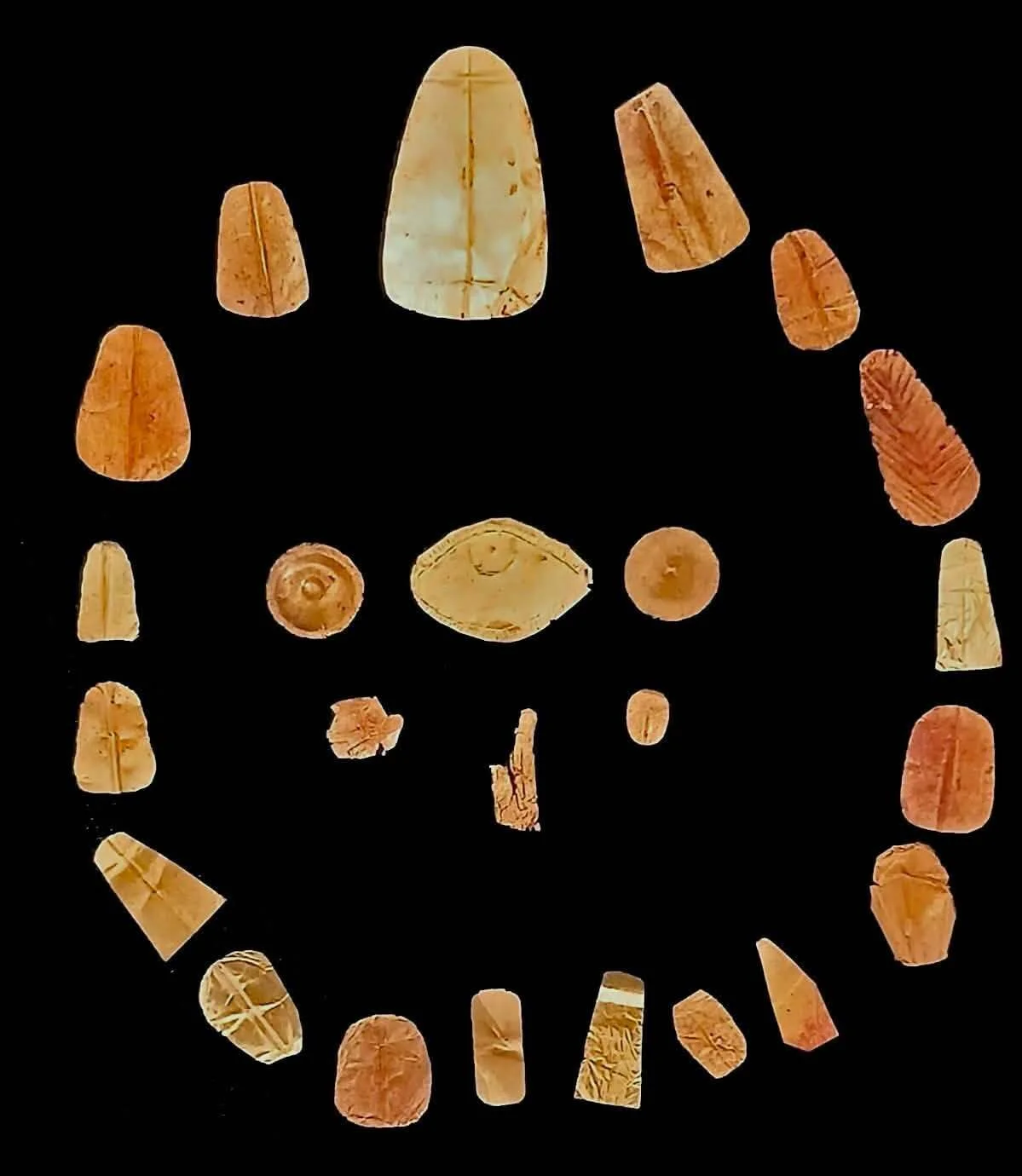
Among the findings, 11 tombs were excavated deeply into the earth, while the remaining seven were closer to the surface. The differences in burial depth often indicate social hierarchies; deeper tombs likely belonged to higher-status individuals. Artifacts found within these tombs included the remarkable discovery of 24 gold "tongues," which were likely placed in the mouths of mummies. This practice underscores the ancient belief in the importance of communication in the afterlife. Additionally, an offering altar featuring a base resembling a false door was uncovered, a design that has deep cultural significance.
According to Hesham Hussein, Egypt’s undersecretary for Lower Egypt and Sinai archaeology, the false door is a quintessential element of ancient Egyptian funerary architecture symbolizing the connection between the realms of the living and the dead. This design suggests that despite its changing architectural significance, its spiritual symbolism persisted over time, illustrating the unbroken threads of belief that characterize much of ancient Egyptian civilization.
Insights on Gold Tongues
The discovery of gold tongues is particularly noteworthy, as these artifacts have surfaced in various ancient Egyptian sites before. Historically, ancient Egyptians regarded gold as the "flesh of the gods," and these tongues were believed to aid communication in the afterlife. This belief appears consistently in funerary cultures globally, highlighting a shared understanding of the importance of voice and expression beyond death.
Hussein noted that such gold amulets, prevalent during the Ptolemaic and Roman periods, were intended to enable the deceased to speak, especially during judgment before Osiris. This belief in communication’s power in the afterlife often serves to reinforce societal norms surrounding how individuals should live, echoing throughout ancient texts and artworks. Furthermore, one gold tongue found was fashioned in the shape of the Eye of Horus, a symbol often used to ward off evil.
However, there’s some skepticism regarding the classification of these items. Attilio Mastrocinque, a retired professor of archaeology, pointed out that one object resembles a wheat ear, traditionally a symbol of fertility found in both ancient Egyptian and Roman contexts. This highlights a broader issue within archaeology: the context and interpretation of artifacts can evolve dramatically based on new findings and interpretations.
The Altar with a False Door Design
The altar’s design, which resembles a false door, is common in ancient Egyptian tombs. This particular altar may require further investigation. Krzysztof Jakubiak, an archaeology professor familiar with the site, advised caution against making direct comparisons to known false door iconography, as the altar might be unfinished. Scholars must tread carefully when assigning meanings to artifacts, as each burial context can provide unique insights.
Other experts have noted that the altar could instead signify an offering rather than relate to a false door iconographical style. This duality of interpretation illustrates the complexity of ancient Egyptian beliefs and practices surrounding death; not everything aligns neatly within established frameworks.
Significant Discoveries
Among the artifacts, a striking finding includes an 8.2-foot-long (2.5-meters) granite coffin, which remained sealed at discovery. The archaeological team is currently analyzing the skeletal remains found within the coffin. Sealed tombs, particularly those remaining undisturbed, can offer unparalleled insights into ancient burial practices and the physical anthropology of the period.
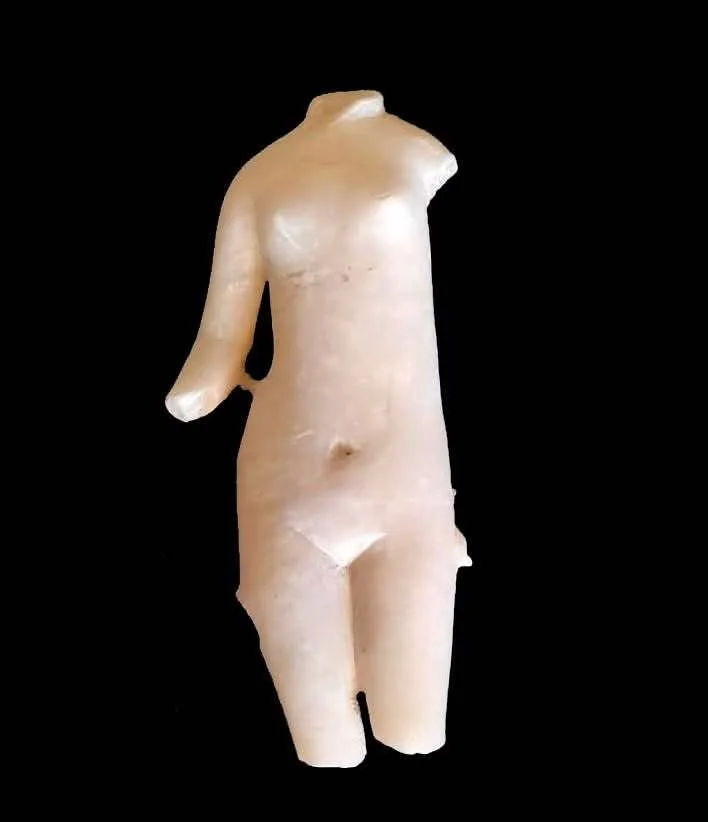
Further examination revealed a statue of Aphrodite, highlighting the intersection of Egyptian and Greek cultures during the Ptolemaic dynasty. This statue may indicate a syncretism of beliefs, where the adoption of foreign deities was normalized within Egyptian practice. With cultural blends evident at the site, Dorota Dzierzbicka, director of the Polish-Egyptian Archaeological Mission, emphasized the tombs' representations of a diverse community where different traditions harmonized within daily life and funerary practices.
This latest excavation adds layers of understanding regarding ancient Egyptian culture and their funerary customs. Research tells us that funerary practices aren't static; they evolve to reflect social and political changes, and this site exemplifies that dynamism.
The Broader Implications of These Findings
This archaeological discovery carries significant implications for our understanding of ancient Egypt during the Ptolemaic and Roman periods. The diversity in burial artifacts signifies not only social stratification but also the potential blending of cultures, which could reshape existing narratives around Egyptian identity and societal organization. If you're working in this space, these insights might push us to reconsider preconceived notions of ancient Egyptian life, particularly regarding external influences on their established practices.
Moreover, discoveries like these cultivate renewed interest and investment in archaeological endeavors throughout Egypt, often highlighting the need for more comprehensive studies of past civilizations. The unearthing of these tombs, with their rich offerings, also serves to remind us of the deeply entrenched beliefs surrounding death and the afterlife that continue to resonate with contemporary human experience.
As excavation and analysis continue, future discoveries at this site could further illuminate the complexities of ancient Egyptian life, suggesting that our understanding of this remarkable civilization is still a work in progress. The narratives we construct around such findings will need to adapt as more evidence is uncovered, demonstrating that the past, much like the artifacts it leaves behind, remains layered and multifaceted.