In a proactive effort to ensure the survival of koalas, Australian scientists are now cryopreserving eggs and sperm as a genetic safeguard. This initiative aims to provide a viable way to produce healthy koala embryos via artificial insemination and in vitro fertilization (IVF). Researchers from the University of Queensland emphasize that this genetic material is crucial for maintaining the species' adaptability to changing environments.
Andres Gambini, a reproductive biologist involved in the project, highlights the risks associated with declining genetic diversity. He points out that losing these unique traits can compromise the species' resilience against future challenges. "This project will create a safe and systematic way to rescue and preserve koala spermatozoa and eggs to support future conservation programs," Gambini stated.
The Current State of Koala Populations
Australia is confronting a stark contradiction with its koalas. In areas of Queensland and New South Wales, populations have plummeted by as much as 80% since the late 1990s, primarily due to deforestation, bushfires, drought, and disease. These factors not only threaten their habitat but also contribute to a significant decline in genetic health, further complicating conservation efforts. In response, the Australian government designated these populations as "endangered" in 2022.
Conversely, other regions in southern Australia are witnessing overabundance, which poses its own threats. High koala populations are contributing to overbrowsing, endangering the very trees essential for their survival. This creates a dilemma, as efforts to bolster koala numbers in certain areas could inadvertently harm their prospects in others. Recent findings suggest that these ecosystems may soon struggle to support the existing koala numbers. What this means for you as a concerned citizen or conservationist is that simply increasing population numbers won’t be sufficient; balancing their ecosystems is critical.
Cryopreservation Techniques and Future Goals
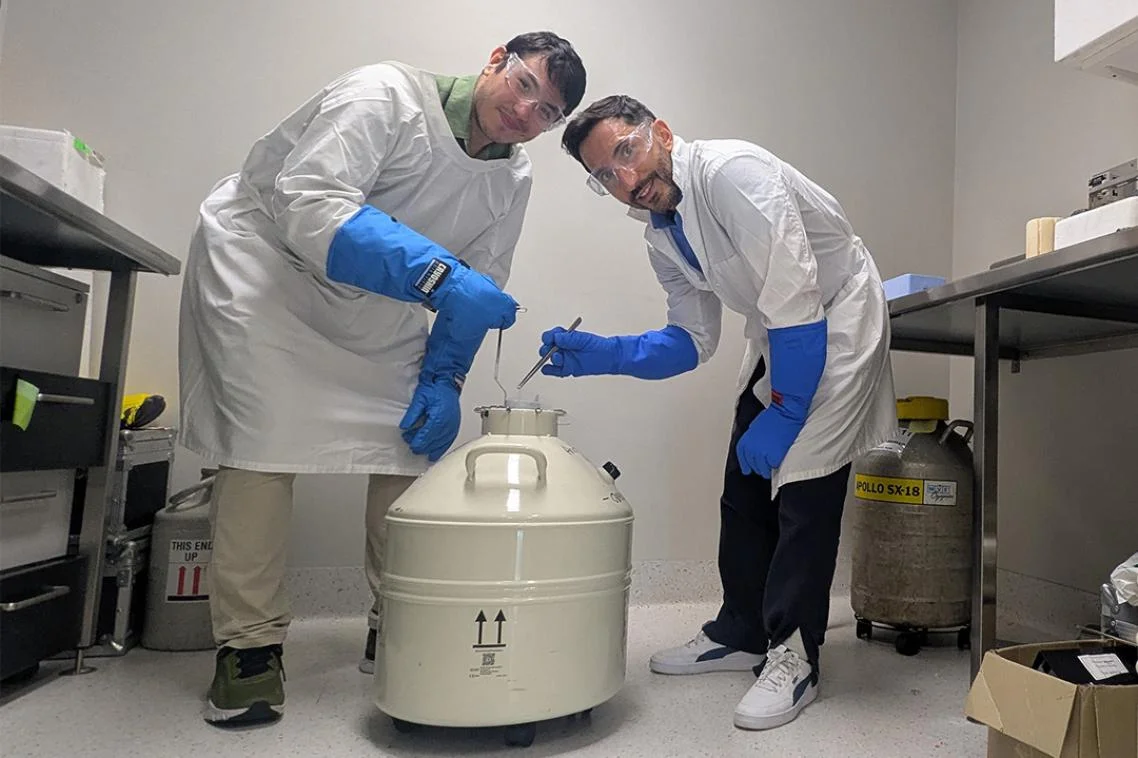
The freezing process involves immersing koala reproductive cells in liquid nitrogen (LN2) at temperatures reaching minus 321 degrees Fahrenheit (minus 196 degrees Celsius). This method allows the scientists to preserve these cells for many years until they are needed. Vincent Lynch, an expert in evolutionary developmental biology, noted that he has managed to revive cells that had been frozen for decades, underscoring the long-term viability of this strategy.
But why focus on cryopreservation? The advantages extend beyond mere survival; they include genetic management that can provide essential boosts to diversity and health. Wildlife hospitals will play a critical role in this project by supplying the reproductive cells. Researchers plan to harvest these cells from deceased koalas or those that can no longer reproduce due to health issues. "Every year, many koalas are admitted to wildlife hospitals because of illness or injury and sadly, not all of them survive," Gambini remarked. This steady influx of biological material is a bittersweet aspect of conservation—using tragedy to fuel future hope.
Before freezing, the collected cells will be screened for Chlamydia pecorum, a devastating and highly contagious infection affecting koalas. This pathogen contributes to painful urinary tract infections, gastrointestinal issues, and reduced fertility rates among females. Alarmingly, nearly 90% of koalas in the most impacted areas are reported to be infected with chlamydia, leading to a sharp drop in the birth rate of joeys. This public health concern transcends individual animals—it puts entire populations at risk. If the reproductive cells test positive for the infection, Steve Johnston, an associate professor at the University of Queensland, has indicated that current technologies enable the extraction of the infection, providing a glimmer of hope in the fight against this disease.
The Importance of Genetic Diversity
While the number of frozen sperm and egg cells planned is not specified, researchers recognize that a growing number of samples will likely be essential to maintaining healthy populations. The loss of genetic material from diminishing koala populations is accelerating, necessitating a continuous effort to collect samples. Johnston acknowledges the need for a proactive approach, stating that waiting until populations dwindle further could hinder genetic recovery efforts. That sentiment is shared among conservationists who understand the stakes involved.
This project represents a supplementary strategy rather than replacing traditional conservation methods, including habitat protection and population monitoring. Gambini emphasizes that they cannot afford to wait until genetic diversity is depleted further. If you're working in this space, you understand the urgency. Nevertheless, Lynch holds a cautiously optimistic view, suggesting that combining this method with habitat conservation could offer a viable path for reintroducing koalas to secure their future.
Implications for Koala Conservation and Future Outlook
The implications of this cryopreservation project extend beyond mere technical advancements. This initiative reflects a broader shift in conservation strategies that prioritize genetic health as much as ecosystem health. As threats like climate change and habitat destruction continue to escalate, maintaining genetic diversity could make a critical difference in the long-term viability of not just koalas, but other endangered species as well.
There's a connection here that's often overlooked—the interplay between genetic diversity and ecological stability. If researchers can successfully cultivate a genetically diverse population of koalas, they stand a stronger chance of resilience in the face of environmental challenges. So, what does this mean for the future of wildlife preservation? It suggests that a multi-faceted approach, incorporating modern reproductive technologies, might be necessary to combat the accelerating pace of biodiversity loss.
The road ahead won't be simple or without setbacks. While initial findings are encouraging, the success of this project will depend heavily on continuous monitoring and adaptation. Collaboration between conservationists, scientists, and government entities will be paramount. The koalas, emblematic of Australia’s unique biodiversity, will rely on these efforts—not just to survive, but to thrive in an uncertain future.