States are increasingly taking action to identify major corporations whose workforce relies on Medicaid, part of a broader initiative to address what many lawmakers deem inadequate employer-provided healthcare. This push aims to bring transparency to taxpayer-funded healthcare costs and to foster accountability among large employers regarding their employee benefits.
California's Legislative Moves
In California, lawmakers are reviving an existing law to publicly disclose the names of companies with 100 or more employees enrolled in Medicaid. This effort marks a significant shift towards transparency, holding corporations accountable for their role in the healthcare crisis. Oregon is considering similar legislation, while Nevada has already implemented a reporting mechanism, as reported by CBS News.
California State Senator Lola Smallwood-Cuevas emphasized that “this is a bill that’s about fairness,” stressing the taxpayers' right to know which companies are offloading healthcare costs onto the government. It's a point that resonates with many who believe corporations should bear a larger share of healthcare expenses for their employees.
Contrasts in Administration Perspectives
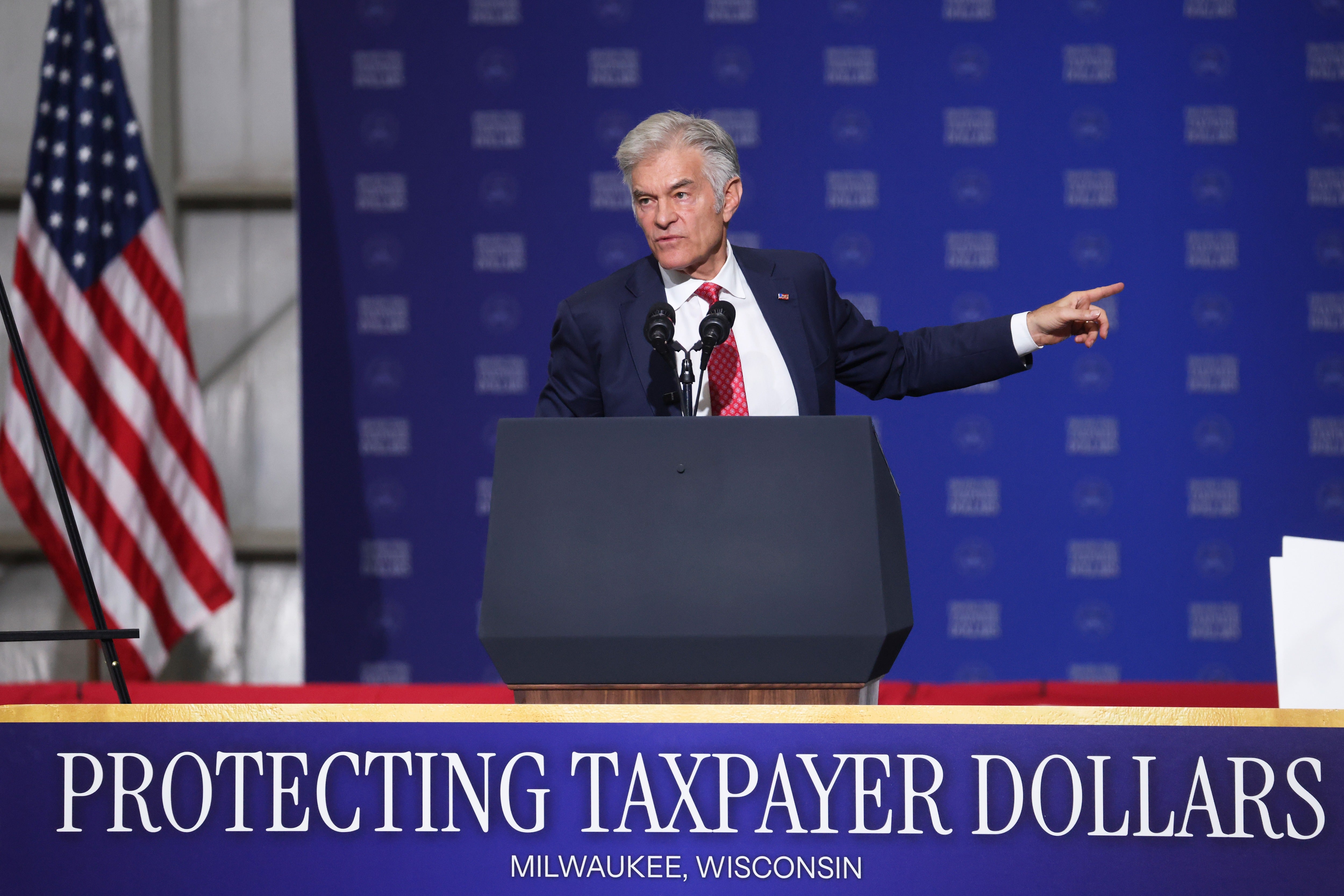
This effort stands in stark contrast to claims made by the Trump administration, particularly by Centers for Medicare & Medicaid Services Administrator Mehmet Oz, who has said that blue states have neglected to control fraud and misuse within the Medicaid system. “Stealing money from Medicaid is not a flaw for a lot of states; it’s a feature,” Oz remarked recently. His views reflect a belief that mismanagement by state officials is to blame for rising costs rather than corporate accountability.
However, there’s a deeper narrative at play here—one that underscores the ongoing tension between state governance and federal oversight. Many state officials argue that they are acting in the best interests of their constituents, while federal officials often criticize those efforts as insufficiently rigorous. The discourse around this issue may become a focal point in larger debates about healthcare reform and corporate responsibility.
Increasing Medicaid Expenditures
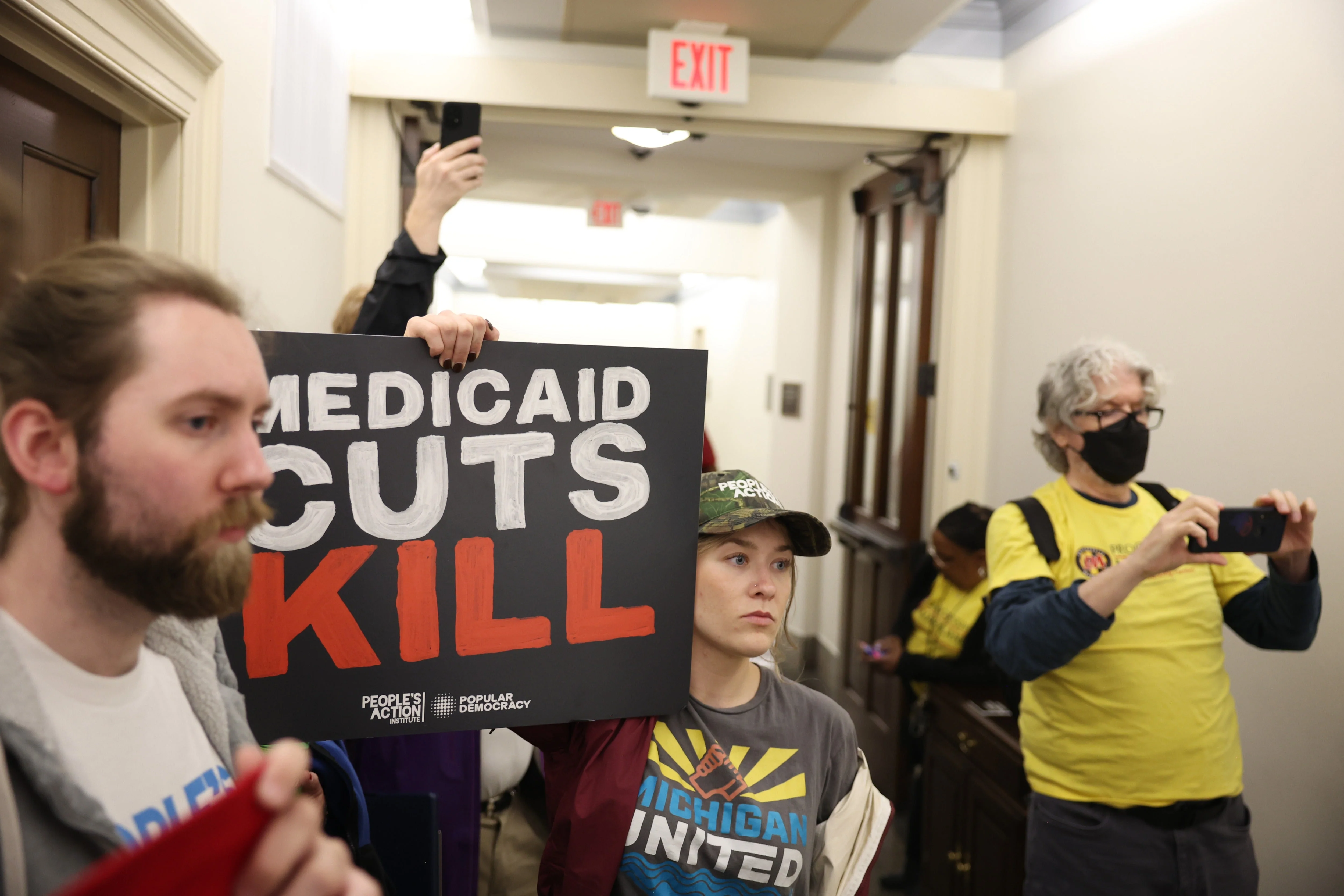
As Medicaid spending nears one trillion dollars for the fiscal year 2024, fundamental changes are on the horizon under Trump's new “Big, Beautiful Bill.” A pivotal requirement mandates that non-disabled enrollees aged 19 to 64 must demonstrate they are working, volunteering, or attending school for a minimum of 80 hours each month to maintain their benefits. This move reflects a significant shift in how states approach Medicaid eligibility, placing the onus on individuals to prove their contribution to society.
State-Level Responses
Nevada has already taken steps by publishing its list of companies with 50 or more employees utilizing Medicaid. Notably, Amazon topped this list, followed by Walmart, the Clark County School District, the state government, and Tesla. It’s essential to note that these companies do not face fines for having employees on Medicaid, which raises questions about the effectiveness of such reporting initiatives.
In contrast, some states are moving toward financial penalties. For instance, New Jersey's recent legislation enforces fines on large employers with over 50 employees on Medicaid. Firms with between 50 and 249 Medicaid-enrolled workers will incur a fine of $325 per worker annually, while those with 500 or more will be charged $725 each. This approach signals a willingness among some lawmakers to take stronger stances against corporate complacency regarding employee health benefits.
In California, Democratic lawmakers are exploring ways to hold large employers accountable for their workers’ health insurance. Discussions with Governor Gavin Newsom aim to develop potential tax initiatives, although implementation would await the decision of his successor. This political back-and-forth hints at the complexities and potential roadblocks that such initiatives might face down the line.
Corporate Backlash
Corporate entities are voicing opposition to these strategies, contending that the reports indicating employee reliance on Medicaid misrepresent the situation, as they often include part-time and seasonal employees. Amazon, for instance, highlights that it pays employees significantly above the federal minimum wage and insists that Medicaid eligibility is determined by household income rather than individual wages.
“Pointing fingers at Amazon over Medicaid is a red herring,” stated Amazon spokesperson Alisa Carroll. “What truly needs to happen is an increase in the federal minimum wage—it would substantially benefit American families.” This claim raises a pertinent discussion about the interplay between corporate wage practices and public assistance programs. Should companies like Amazon and Walmart be held accountable for the healthcare of their employees, or is the system designed to support those at the bottom of the income ladder flawed?
Implications for the Future
If you're working in this space, you'll want to pay attention to how these legislative changes unfold. The initiatives in various states could signify a turning point in the accountability of large corporations. If successful, they might pave the way for more stringent regulations around employee benefits and healthcare, possibly reshaping employer-employee relations in industries with substantial Medicaid enrollment.
This situation is also reflective of a broader societal shift regarding employer responsibilities. The narrative that businesses should ensure comprehensive healthcare coverage for their workers is gaining traction. As Medicaid continues to absorb substantial taxpayer funds, public pressure could mount on both corporations and policymakers to craft a system that prioritizes worker health over corporate profit margins.
This dynamic is intricate, with implications extending well beyond immediate financial penalties or legislative frameworks. As the states battle for fiscal responsibility and corporate transparency, the dialogue about healthcare accessibility, affordability, and the role of corporate America in public welfare will only intensify.