Before the dominance of steel coasters with their dizzying drops and loops, Pennsylvania established itself as a birthplace of wooden roller coaster innovation. The state's rich history in amusement parks began in the early 20th century, when urban dwellers flocked to its classic parks for a dose of fresh air and adrenaline, finding themselves captivated by rolling hills and placid lakes. Through the lens of these early parks, one can glimpse a formative period in American entertainment, where engineers of the time, working for companies like the Philadelphia Toboggan Company, pushed the limits of coaster design. They crafted rides that integrated with the existing geography, a practice that not only made rides more thrilling but also visually spectacular.
Today, wooden roller coasters in Pennsylvania stand as a testament to engineering prowess and historical significance. Many of the state’s most iconic rides continue to thrill visitors, with their designs reflecting both the nostalgia of the past and the demands of modern riders. For enthusiasts eager to trace the lineage of these coasters—from some of the oldest variations still in operation to more contemporary constructions inspired by classic designs—Pennsylvania serves as a critical destination. In a landscape increasingly dominated by high-tech steel structures, the enduring appeal of wooden roller coasters is worth examining closely. What keeps them relevant, and why do they continue to draw crowds?
Key Attractions in Pennsylvania’s Wooden Coaster Scene
Jack Rabbit
Kennywood Amusement Park, West Mifflin
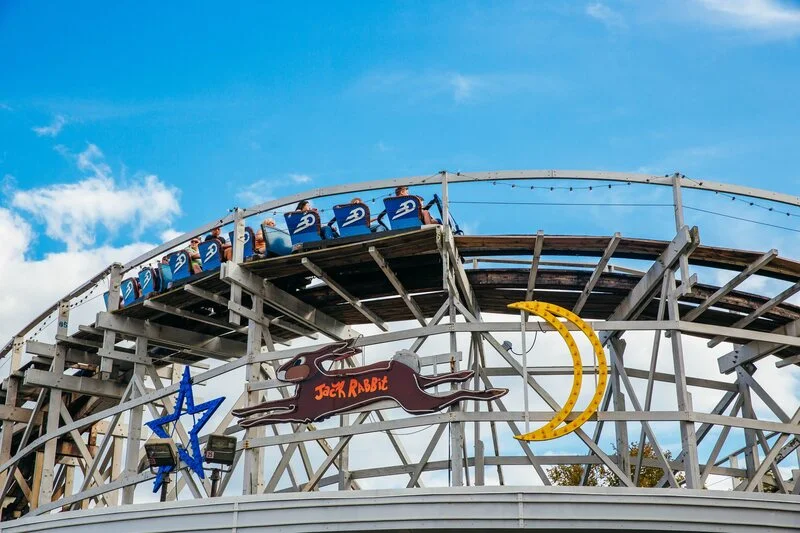
First opened in 1920, the Jack Rabbit is not just older than many riders; it's also a pioneer in roller coaster design. Through the introduction of “underfriction” technology by engineer John A. Miller, this ride transformed how coasters were built, ensuring that cars remained secure on steep slopes. That innovation led to a smoother ride and elevated safety standards. Contemporarily, riders still relish its exhilarating 70-foot drop, which offers a notable thrill, especially for those who cherish the sensation of gravity challenged. Nearby, the Thunderbolt and Racer complement Jack Rabbit's legacy, providing additional opportunities for excitement while mirroring the charm of vintage roller coasters that aficionados respect.
Thunderhawk
Dorney Park & Wildwater Kingdom, Allentown
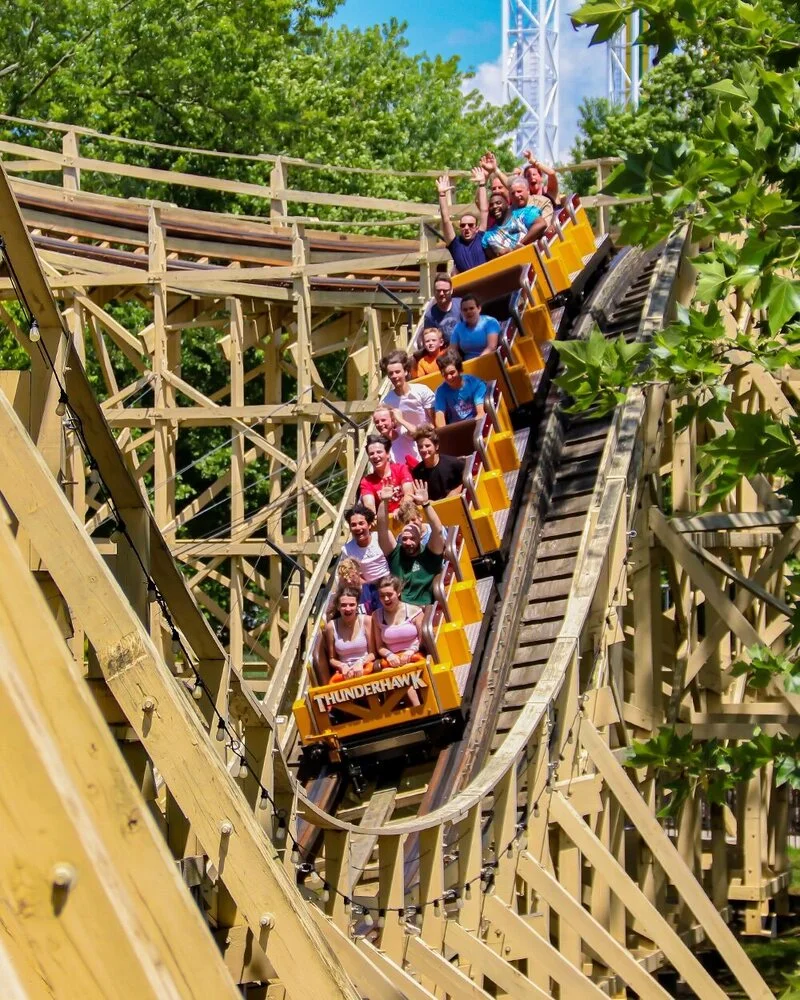
Originally named the Coaster when it debuted in 1923, the Thunderhawk is one of the last creations by the renowned designer Herbert Paul Schmeck. This ride showcases an iconic out-and-back design, which allows riders to experience its wooden structure up close, inviting them to appreciate the craftsmanship that went into its construction. Despite a top speed of just 45 miles per hour, this coaster's elegance and enduring popularity remind enthusiasts that speed isn't everything. The ride's grace and nostalgia continue to attract fans year after year—indicative of a broader appreciation for the artistry in coaster design that transcends mere thrill.
Rollo Coaster
Idlewild & SoakZone, Ligonier
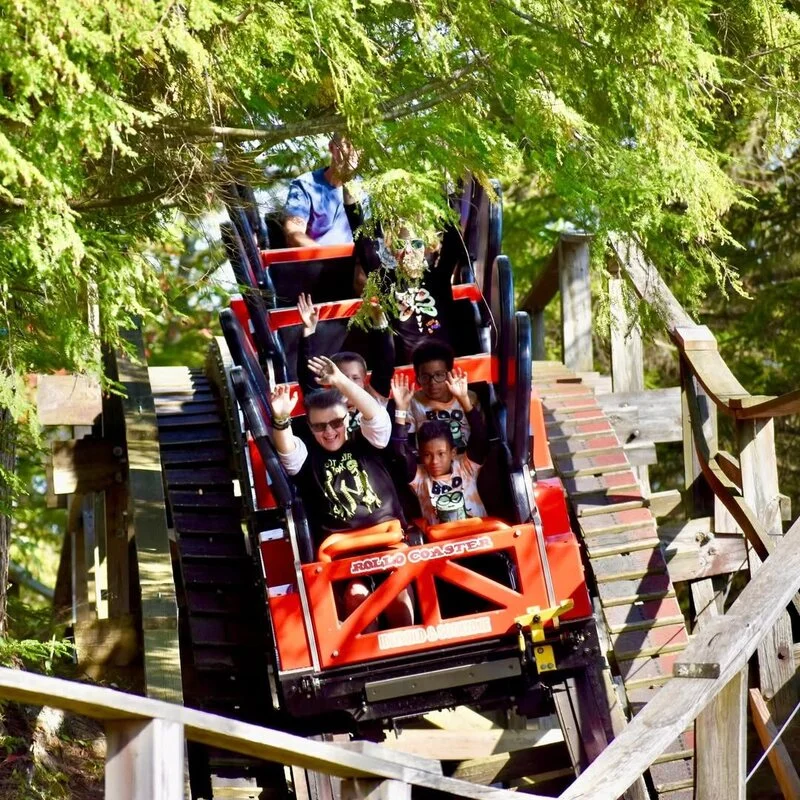
Constructed in 1938 using timber sourced locally, the Rollo Coaster stands as a quintessential example of design harmonizing with nature. Its creator, also Schmeck, intended the ride to blend into the hillside, making it a gentle introduction for novice riders who may be apprehensive about more extreme experiences. This thoughtful approach to design is the type of consideration that many modern coasters overlook. A 2018 refurbishment ensured that it remains safe and enjoyable while revitalizing the wooden elements that lend it a nostalgic charm, reinforcing the idea that these rides can evolve without losing their essence.
The Phoenix
Knoebels Amusement Park, Elysburg
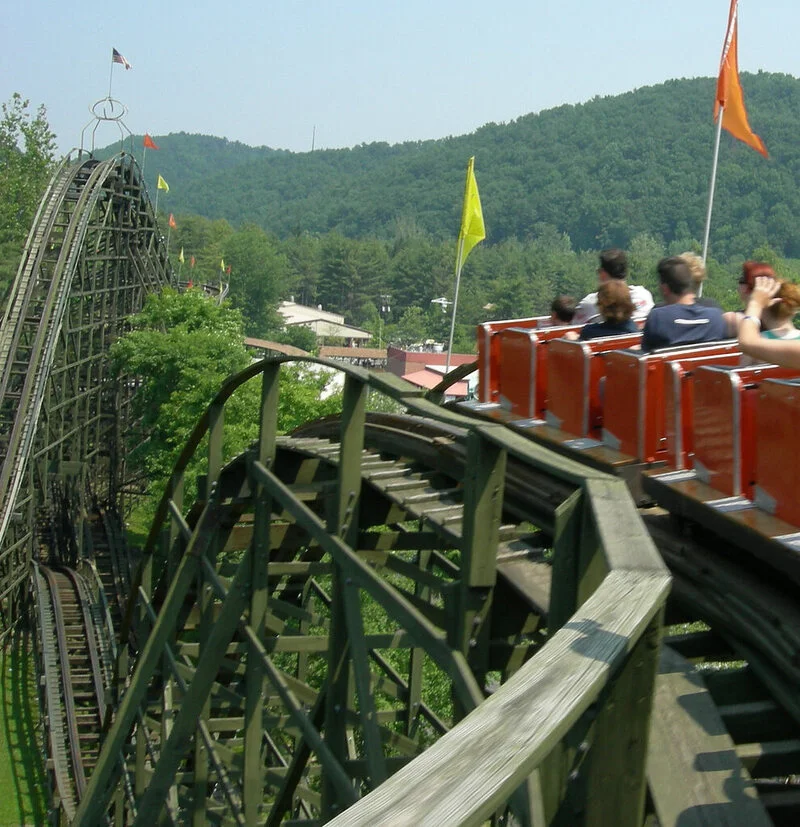
The Phoenix boasts a rich history—originally operating as the Rocket in Texas before narrowly escaping demolition. Knoebels meticulously restored the ride, infusing it with new life and recognition as one of the world's best wooden roller coasters. It has won multiple awards for its thrilling drops and intricate turns, drawing in not just locals but visitors from afar. Alongside the nearby Twister, The Phoenix exemplifies Knoebels' commitment to providing free admission while delivering memorable, high-quality experiences. This dedication to affordability and thrill is a refreshing contrast in an industry that often prioritizes high-cost attractions.
The Comet
Hersheypark, Hershey
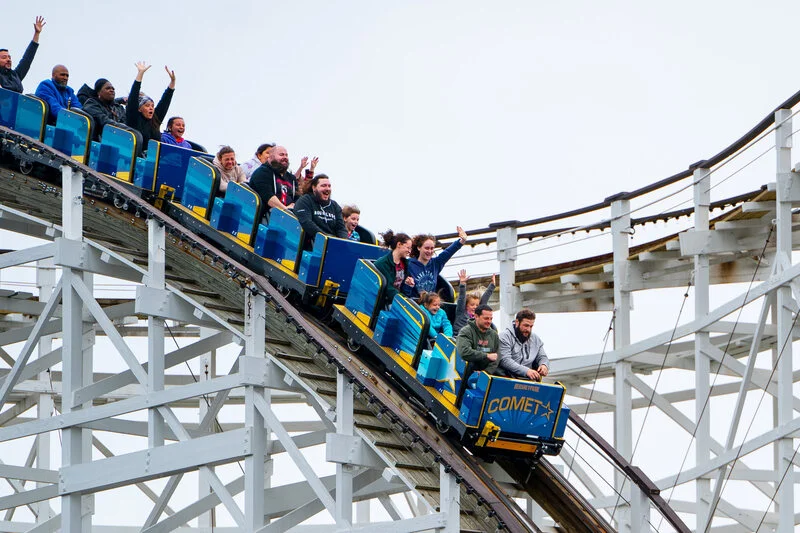
This wooden classic began its journey in Ontario, Canada, before migrating to Hersheypark in the 1970s. Featuring an impressive 80-foot drop and airtime-filled hills, the Comet captures the spirit of the golden age of wooden roller coasters. Its acceptance by the American Coaster Enthusiasts, who granted it Landmark status, underscores its significance as a historic ride. Such recognition serves not just as a badge of honor, but also as a reminder of the lasting legacy that wooden coasters can have in the ever-competitive amusement industry.
Ravine Flyer II
Waldameer Park, Erie
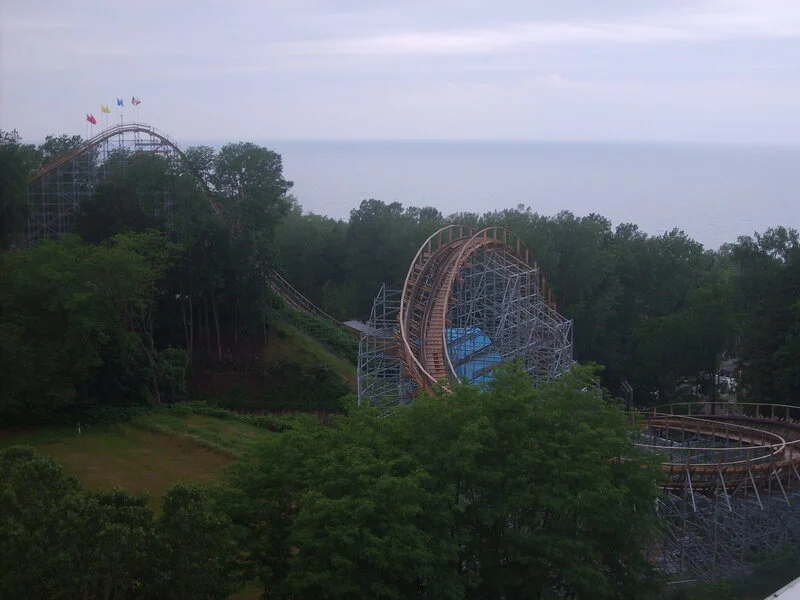
Opened in 2008, the Ravine Flyer II is a modern embodiment of wooden coaster tradition infused with contemporary thrill. With its title as Pennsylvania's tallest and fastest wooden coaster, it reflects both a respect for legacy and an embrace of innovation. Its design combines thrilling drops with unique crossover tracks and tunnels, creating a bridge between classic coaster experiences and the expectations of today's adrenaline seekers. This harmonious blend allows it to stand out, catching the attention of coaster enthusiasts who crave fresh experiences while honoring established designs.
Lightning Racer
Hersheypark, Hershey
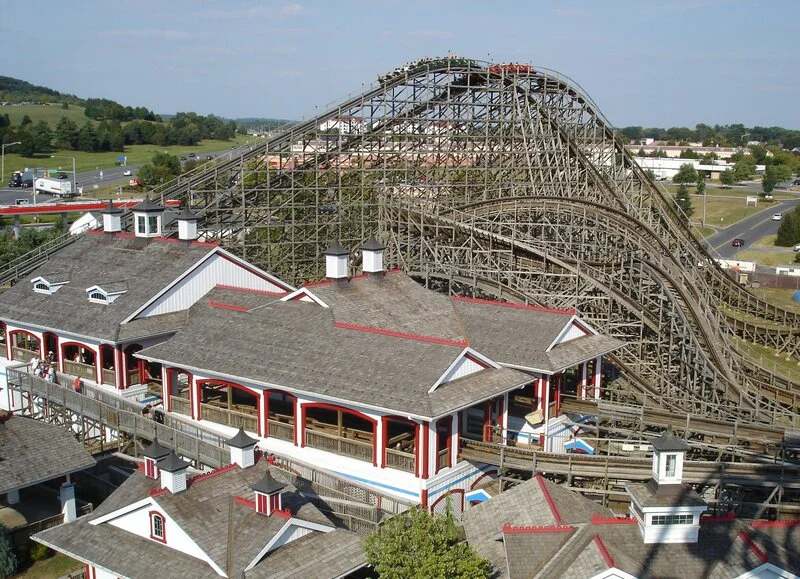
This dual-racing coaster, which opened in 2000, exemplifies how traditional design can innovate. The Lightning Racer features intertwining tracks that create an exhilarating race experience, proving that wooden coasters still have room for growth alongside their steel counterparts. The competition introduced via its design adds an extra layer of excitement that appeals to modern audiences who thrive on interactivity and rivalry. How many rides can lay claim to satisfying both a nostalgic desire while also pushing boundaries?
As visitors explore these historic rides, they can appreciate not only the thrill of the drops but also the craftsmanship that has allowed these coasters to endure through the decades. The meticulous engineering behind each roller coaster informs not just the rides themselves but broader trends in the amusement park industry. If you're working in this space, understanding this history is paramount.
Significance and Future Outlook
The ongoing popularity of wooden roller coasters illustrates a dichotomy in the amusement park industry: a longing for nostalgia meets the demands of modern entertainment. Each of these rides communicates the artistry and ingenuity of earlier days, a contrast to today’s faster, taller steel coasters. And yet, the future for wooden coasters looks promising. Many parks are investing in refurbishments and restorations to ensure these vintage rides stay safe and appealing while capturing the essence of old-fashioned thrills.
As the push for more sustainable and environmentally friendly attractions continues, there may be a resurgence in wooden coaster development, given that the materials can often be sourced locally. This potential future might bring a new wave of design that respects tradition but also addresses contemporary concerns about sustainability.
The bottom line? Wooden roller coasters in Pennsylvania are more than just rides. They're a vivid illustration of the evolution of amusement parks, where thrills and history intertwine at breakneck speed.