Hidden Gem of Al-Ghayl
Al-Ghayl, a lesser-known village in the Al-Aflaj Governorate, lies approximately 300 kilometers from Riyadh, making it an unlikely destination for most travelers. Its remote location demands a bit of dedication, as the village is a good 40-minute detour from the main highway. While some might be drawn here by the legendary tale of "Layla and Majnun," romanticized stories often attract just a handful of the most adventurous visitors. From a tourism perspective, this remoteness highlights the area’s charm and authenticity, but it also raises questions about preservation and the potential for sustainable development.
Ruins of Al-Saada Palace
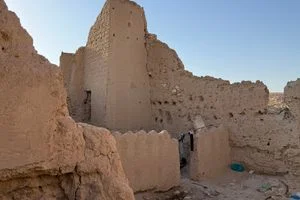
This remote location is home to the remains of the Al-Saada Palace, a structure that once commanded respect and admiration in its heyday. Perched atop a hill, the ruins exhibit walls crafted from stone and mud, some decorated with a fragile layer of clay and straw that has succumbed to the elements over time. One wall has notably collapsed, spilling debris down the slope, making the site look even more somber. In one room, wooden ceilings still linger, reflecting the essence of Najdi architectural style. These deteriorating features serve as a stark reminder of the palace's former splendor. For visitors, this isn’t just historical architecture; it’s a visceral confrontation with time and decay.
A Glimpse into History
The palace's historical roots trace back 400 years, originally inhabited by Saad bin Qabban and later passed down to the Al-Khubsha family. This lineage is significant, as the site's history intertwines with that of the region, echoing stories of power dynamics and cultural significance. During its prime, the palace was not just a residence but a hub of cultural exchange, famously hosting luminaries like poet Mohammed bin Farraj Al-Gargah. His poetry not only honored Al-Ghayl but immortalized its hospitable nature, painting a picture of a vibrant community that thrived within these walls. This connection to literature enriches the palace's narrative and poses deeper questions: What is the role of poetry in preserving history, and how do communities remember such figures today?
A Fading Legacy
Today, the once-magnificent palace stands in quiet decay, blending into the surrounding landscape of Al-Aflaj. Time has eroded much of its grandeur, leaving behind traces of history that speak only to a few. The lack of restoration efforts raises concerns about how society values such historical sites. A simple sign marks the site as “Al Saada Ancient Palace,” an indication that it's almost a forgotten entity, inviting only the rare curious traveler to reflect on its storied past. What does this say about our cultural priorities? There’s a sense of urgency to reconsider how these sites are preserved, especially as global awareness toward heritage conservation grows.
Contemporary Relevance and Future Outlook
This situation brings forth pressing issues regarding cultural preservation. In an age where technology allows for rapid documentation and virtual exploration, are we losing touch with the physical narratives tied to these sites? Al-Ghayl and its ruins represent not just a point on the map but a connection to a broader history that deserves to be acknowledged and preserved. If you're working in this space, you know the difficulty in balancing modern development with the need to honor historical roots. What this means for you is that the story of Al-Ghayl isn't just a story of decay; it’s also a call to action.
And yet, as the world races ahead, sites like Al-Saada Palace offer glimpses into a past we often overlook. Establishing a preservation initiative could transform this fading legacy into a site of cultural tourism and education. Securing funding for restoration and promoting it as a cultural heritage site may offer a new life to Al-Ghayl and its history while respecting the authenticity that initially drew only the adventurous explorers. The allure of the unknown—the trick is figuring out how to balance curiosity with conscientious respect for the past.