For quite some time, our cities have revolved around "gray infrastructure," encompassing roads, bridges, and utilities designed with strict engineering standards. This approach has proven valuable for safety, but it neglects another vital component: urban nature.
June saw a severe heat wave hit Europe, shattering records and leading to more than 2,000 excess deaths in France alone. Hospitals in the U.K. faced critical incidents, and in the U.S., a lingering heat dome resulted in multiple heat-related fatalities during the Fourth of July celebrations. This extreme weather isn't just a passing phase; it's indicative of a broader climate crisis testing our urban environments.
Here's the thing: our cities are increasingly vulnerable as climate change accelerates, yet one of the most effective mitigators—urban nature—is being overlooked. This includes street trees, parks, and green spaces, which, according to research, can significantly cool urban areas, regulate stormwater, enhance air quality, and provide numerous health benefits.
Urban nature should be recognized as essential infrastructure, warranting minimum standards for protection and maintenance akin to those governing roads and water systems. This is not just a matter of improving aesthetics; it's about ensuring equitable access to the benefits that thriving nature brings. If we fail to establish and uphold these standards, we risk creating cities that are not only hotter but also more unequal.

The cooling effects of urban greenery can be substantial. Neighborhoods boasting mature tree canopies are noticeably cooler than asphalt-heavy areas. These temperature differences can be life-saving, especially for vulnerable populations, including the elderly and those with underlying health issues.
Despite the compelling evidence supporting the benefits of urban nature, governance surrounding it remains haphazard. Cities frequently tout ambitious initiatives for tree planting and biodiversity improvement, focusing on metrics that are easy to quantify but not indicative of long-term success. For example, planting a tree does not necessarily result in a healthy urban forest, and creating a park doesn’t guarantee biodiversity preservation if natural ecosystems are not maintained.
Success should be measured not just by the number of trees planted but by the continued health and accessibility of these green spaces. Unfortunately, many cities lack basic requirements regarding tree canopy coverage, appropriate soil conditions, and long-term care, creating a disparity in access to nature based on socioeconomic status.
It's not just an environmental issue; it’s critical for public health, climate adaptation, and social equity.
The solution lies not merely in increasing the number of trees but in establishing standards acknowledging urban nature as critical infrastructure. These standards can vary from city to city but should generally include measurable outcomes based on scientific research—such as ensuring adequate green space access, tree canopy coverage, and support for biodiversity and ecosystem health.
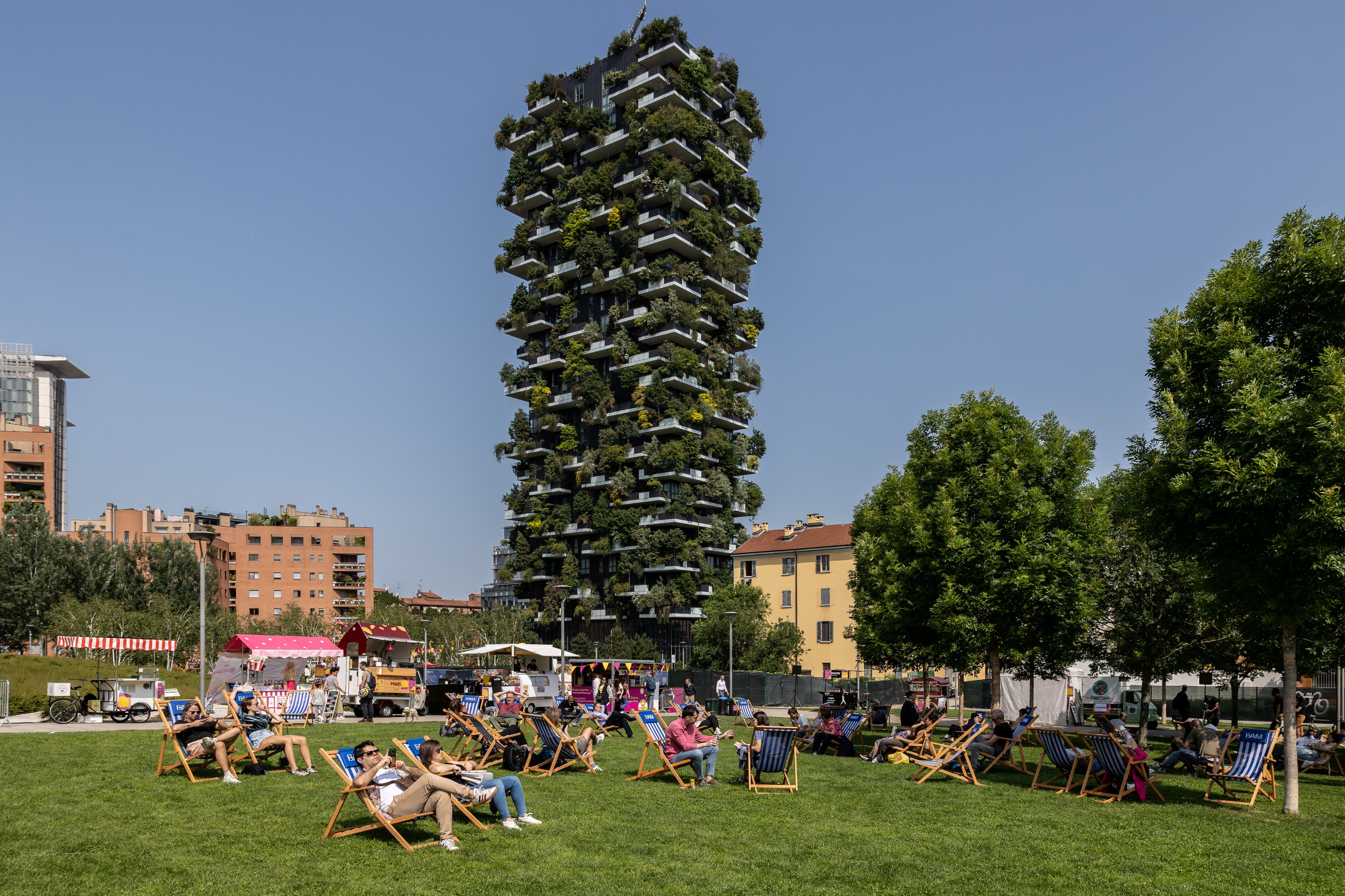
It's critical that these standards emphasize outcomes, not just targets. The number of trees planted is an inadequate measure of resilience. Instead, we need to monitor survival rates, canopy growth, and equitable access to urban nature to ensure that investments yield tangible benefits for communities.
Some skeptics argue that cities can’t afford to implement stronger standards for urban nature, given existing financial strains. However, this perspective overlooks a crucial point: cities already allocate vast resources to deal with the impacts of extreme weather and public health challenges. Investing in healthy urban ecosystems can mitigate these costs while delivering multifaceted benefits.
The lines between gray and green infrastructure are increasingly blurred as climate change progresses. Parks, wetlands, and city trees are more than luxuries; they play integral roles in urban functionality. They require the same careful planning and funding as traditional infrastructure to be effectively integrated into city planning.
Just as building codes have reshaped urban safety through minimum standards, so too must we redefine expectations for urban nature to foster climate resilience. The thriving of future cities won't just depend on how many trees we plant but rather on how we protect and maintain these living infrastructures essential to urban life.
The pressing question is not about whether cities can afford to invest in urban nature but whether they can afford to ignore it.
Opinion on Live Science provides insights on critical science issues affecting our lives, written by experts in their fields.