A metal detectorist named Morten Eek in Norway initially mistook a rare 900-year-old silver coin for a mundane button. After closer examination, it was revealed to be a historic artifact associated with Magnus Barefoot, often referred to as Norway's last Viking king.
This significant find occurred near the Utstein Monastery in southwestern Norway and dates back to Barefoot's reign from 1093 to 1103. Researchers from the University of Stavanger Museum of Archaeology confirmed that this coin is the first of its kind discovered on Norwegian soil, emphasizing the historical implications of such discoveries.
Representatives from the museum remarked, "The thought that we might be just one major find away from altering our understanding of Magnus Berrføtt's coinage highlights the importance of every new discovery."
The Misidentified Treasure
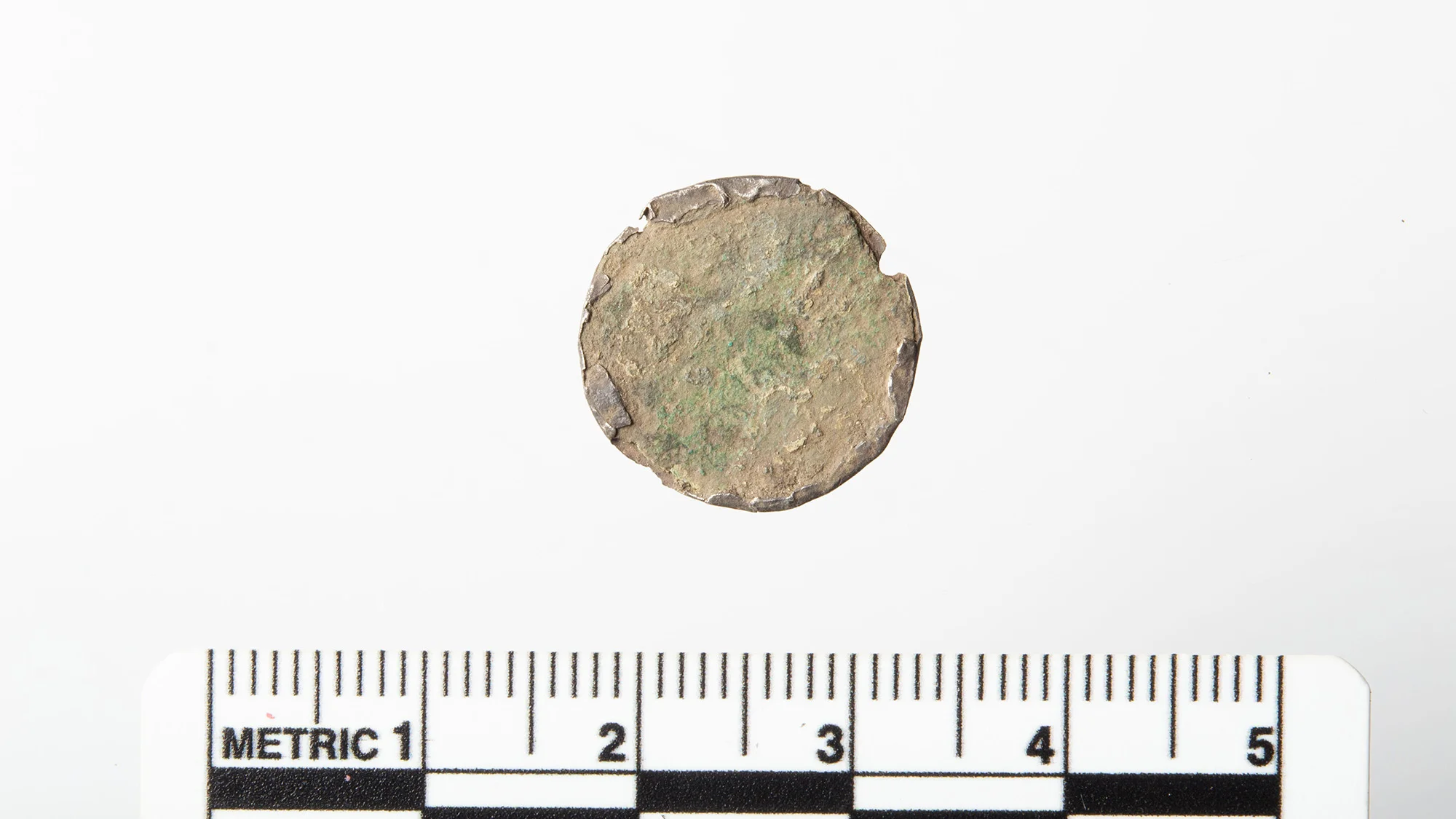
Eek unearthed the artifact in April 2025 from the plow layer, situated approximately 4 to 6 inches below the surface. Despite its bright, silvery appearance on one side, the other side was coated with copper, making it resemble a button. He stored it among other metal finds, unaware of its true significance until later discussions with fellow detectorists.
Curiosity from those experts led them to the University of Stavanger Museum, where researchers investigated the object further.
A Fresh Perspective on an Ancient Coin
Experts noted the peculiar alteration to the coin; it had been modified post-minting. A copper plate had been affixed to one side, with the edge folded over, suggesting it might have been worn as jewelry. Although researchers contemplated removing the copper plate for a better analysis, they opted against it to preserve the delicate artifact.
The coin’s transformation indicates more than just its monetary value; it reveals how people from that era repurposed and attached personal significance to their currency.
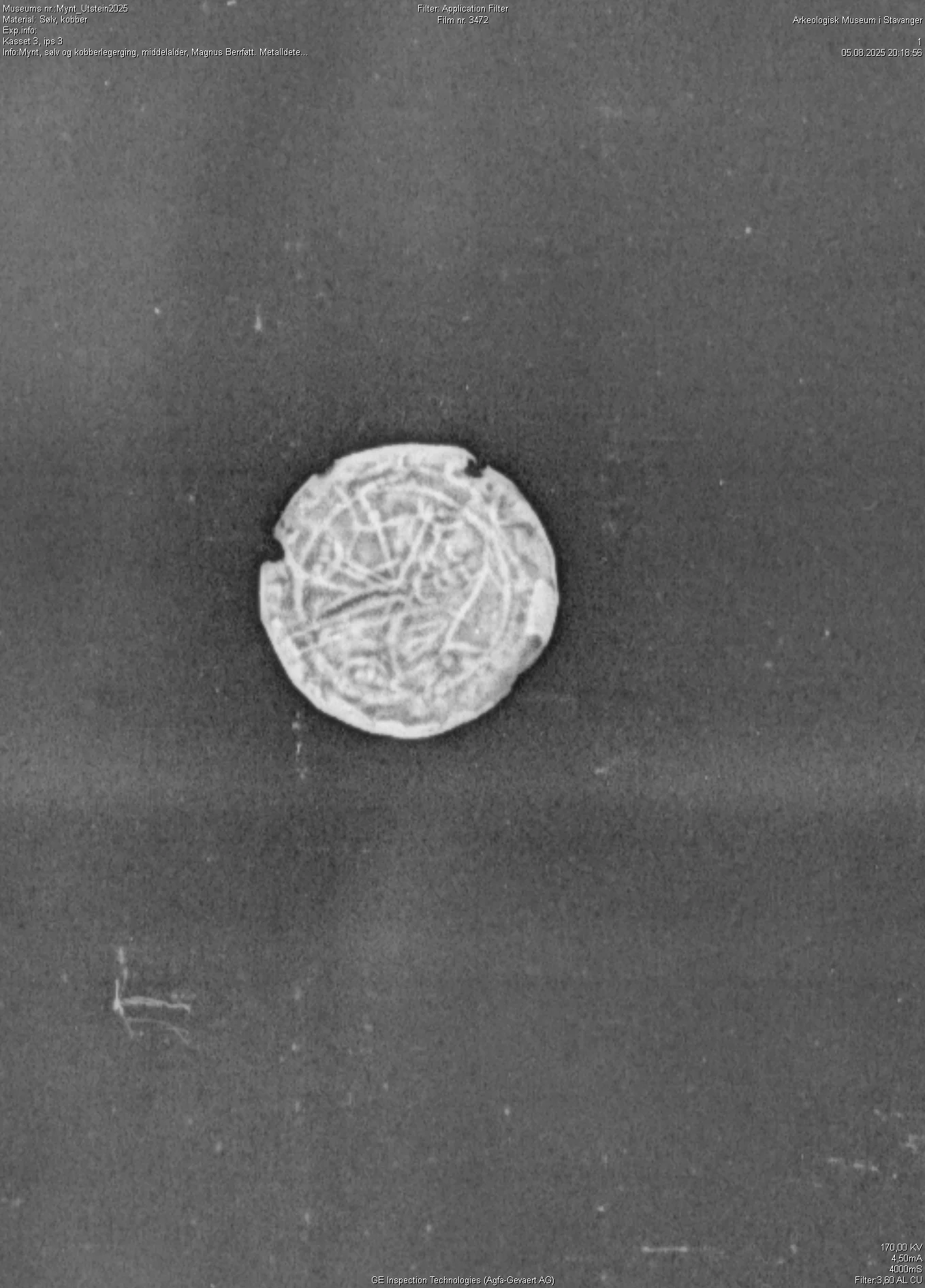
X-ray analysis displayed a griffin, a mythical creature significant in medieval art, as well as a cross-over-cross motif, distinctive to this type of coin. The strangeness of the pairing of these motifs, rare in combination, underscores the coin's historical significance. Museum representatives pointed out that similar two-sided coins featuring both designs are known only from a handful of examples.
According to the museum's statement, "Two-sided coins with the motif combination of griffin and cross over cross are only known from four copies," highlighting a previously unknown depth to Magnus Barefoot's minting practices. This was further corroborated by discoveries from the Sandur hoard in the Faroe Islands and the recent Denmark Mørstad hoard.
The museum estimates that approximately 100 coins from Magnus Barefoot's era are known, scattered across 12 locations, making every find crucial in piecing together the late Viking Age and early Middle Ages in Norway.
Magnus Barefoot’s Legacy
Magnus Barefoot, also referred to as Magnus Barelegs due to his distinctive kilts, ascended to the throne in 1093 after his father, Olav Kyrre. Where his father presided over an era of peace, Barefoot sought military conquests and was known for his aggressive campaigns across the seas, aiming to extend Norwegian influence. His battlefield legacy mirrors that of his grandfather, Harald Hardrada.
His reign was cut short when he died at around age 30 after an ambush during a campaign in Ireland in 1103. As a king, Barefoot was also notable for re-establishing a high silver standard in his coinage after a period of decline under previous rulers, significantly impacting trade and economics.
Whether this newly uncovered coin was lost at the monastery during Barefoot's rule remains uncertain, but its transformation into jewelry hints at its continued value long after its monetary use had ceased.
Test your knowledge of the Vikings with our Viking quiz!